Constitutional Reckoning: Pakistan's 27th Amendment and the Future of Democratic Governance
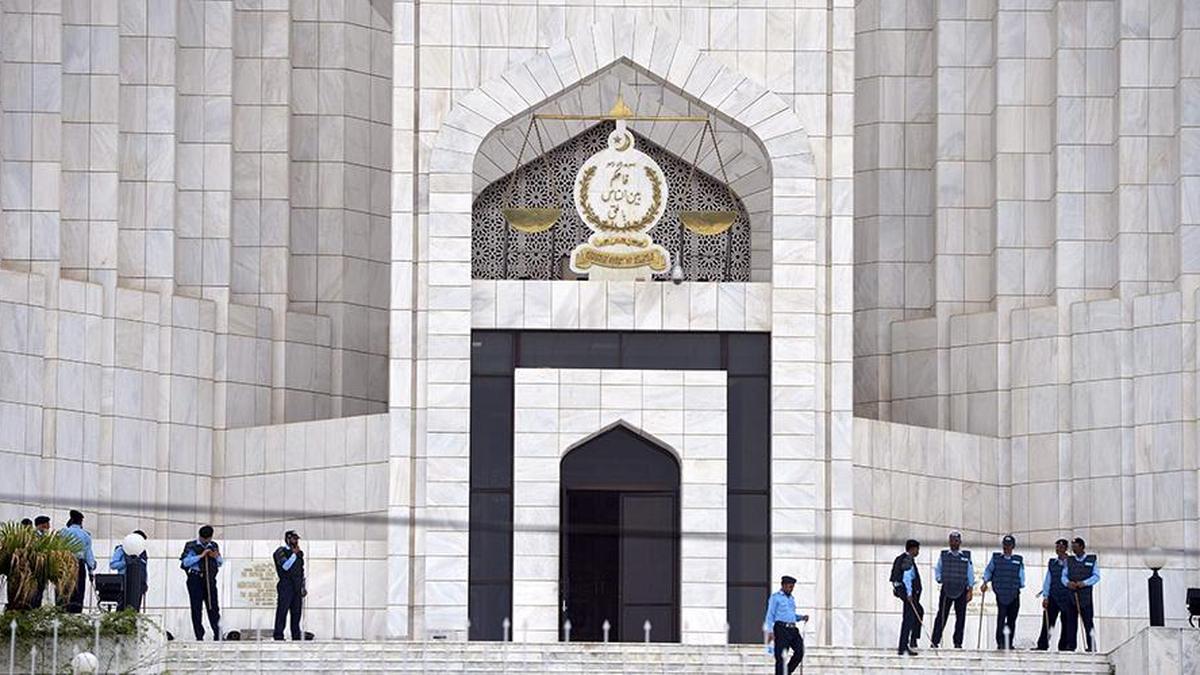
The enactment of Pakistan's 27th Constitutional Amendment represents a pivotal moment in the nation's political evolution, with profound implications for its constitutional architecture and democratic trajectory. This legislative measure, while ostensibly addressing procedural governance, introduces substantive alterations to the balance of power between federal and provincial authorities, potentially recalibrating the foundational principles of the 1973 Constitution. Analysis indicates that the amendment's provisions extend beyond administrative adjustments, embedding structural changes that may either fortify democratic institutions or inadvertently concentrate authority, depending on implementation and judicial interpretation. The immediate consequences manifest in altered legislative competencies and resource allocation mechanisms, directly impacting provincial autonomy and inter-governmental relations. Long-term ramifications could include shifts in political party dynamics, electoral strategies, and public trust in constitutional processes. This development occurs within Pakistan's complex historical context of constitutional amendments, where each modification has historically reflected broader power struggles between civilian and military establishments. The amendment's true significance lies not merely in its textual provisions but in its potential to either stabilize Pakistan's often-fragile democratic framework or exacerbate existing institutional tensions. As legal scholars and political analysts scrutinize its implementation, the 27th Amendment emerges as a critical test case for constitutional resilience in South Asia's second-largest democracy, with outcomes likely to influence regional democratic norms and governance models.