EU-India FTA: Strategic Economic Integration or Superficial Trade Relief?
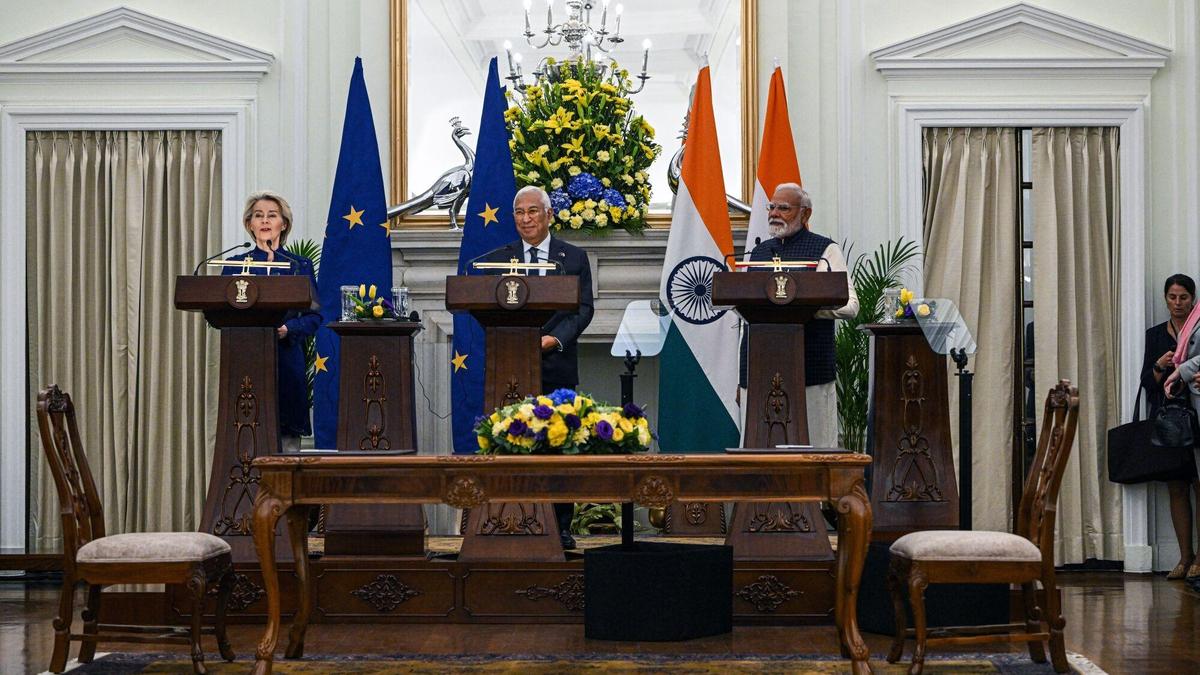
The impending EU-India Free Trade Agreement (FTA) represents a landmark economic alignment between two major global blocs, promising tariff reductions that could reshape bilateral trade dynamics. While initial market reactions have been positive, a deeper analytical assessment reveals complex implications for consumer welfare and economic sovereignty. The agreement's provisions on tariff elimination across sectors—including automotive, pharmaceuticals, and agricultural products—theoretically enhance consumer choice and potentially lower prices through increased competition. However, structural asymmetries between the EU's advanced industrial base and India's developing economy raise critical questions about equitable benefits. Preliminary analysis suggests that while urban consumers may access premium European goods at reduced costs, domestic industries face intensified competitive pressures that could undermine local employment and manufacturing resilience. Furthermore, non-tariff barriers, regulatory harmonization challenges, and intellectual property provisions embedded within the FTA framework may disproportionately advantage EU exporters. The agreement's true impact on the 'common man' will depend on implementation safeguards, complementary domestic policies, and the government's ability to leverage market access for sustainable development. This intelligence assessment concludes that while the FTA marks significant geopolitical alignment, its socioeconomic benefits require rigorous monitoring to ensure they transcend superficial trade relief and deliver substantive, inclusive growth.