Plasma Tunnel Breakthrough: Advancing Spacecraft Reentry Safety Through Simulated Atmospheric Conditions
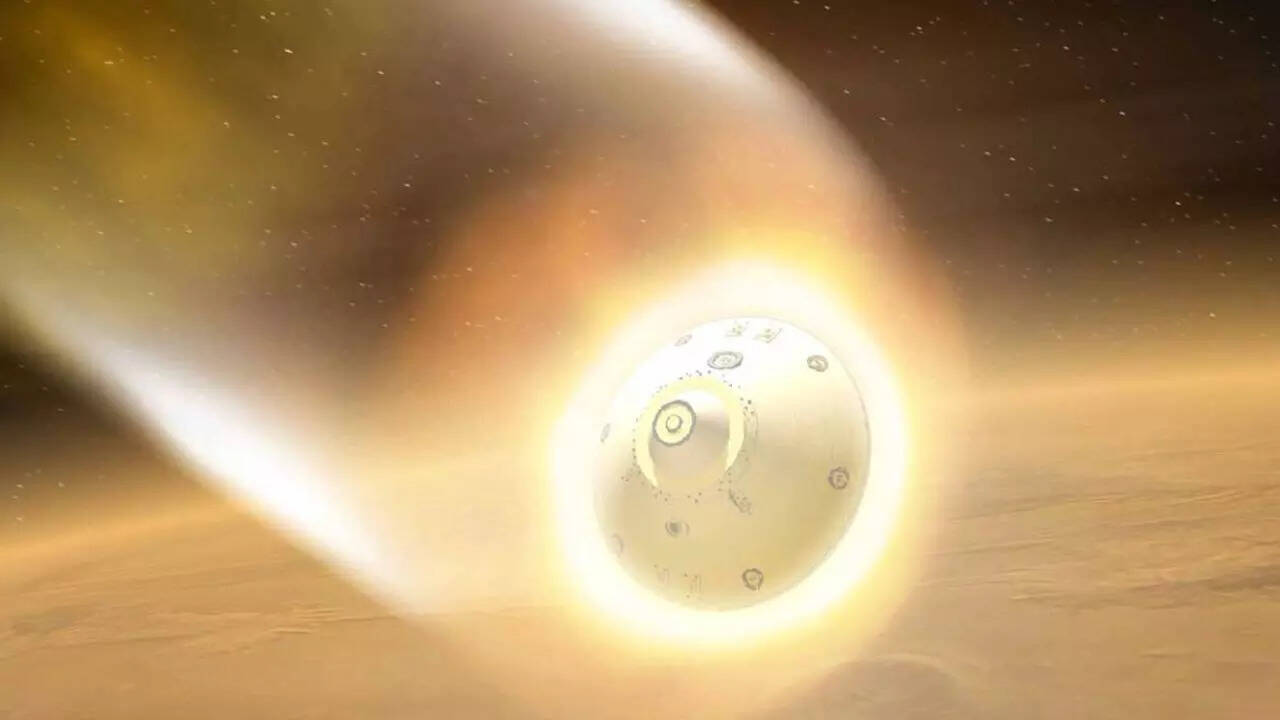
A significant advancement in space mission safety has emerged with the development of plasma tunnel technology designed to simulate the extreme heat conditions of atmospheric reentry. This innovation represents a critical step forward in spacecraft engineering, offering a controlled environment to test thermal protection systems before actual missions. By replicating the intense plasma environment encountered during reentry, engineers can now conduct comprehensive evaluations of heat shield materials and structural integrity under realistic conditions. The technology enables precise measurement of thermal loads and material responses, potentially reducing reliance on costly and risky flight tests. This development addresses a longstanding challenge in space exploration: ensuring spacecraft survivability during one of the most hazardous mission phases. The plasma tunnel's ability to mimic reentry conditions with high fidelity could lead to more robust spacecraft designs, enhanced crew safety for manned missions, and improved reliability for both commercial and scientific space ventures. As space agencies and private companies expand their orbital activities, this testing methodology may become standard protocol, contributing to safer and more sustainable space operations globally.