Strategic Realignment: Decoding the India-U.S. Trade Accord from Confrontation to Cooperation
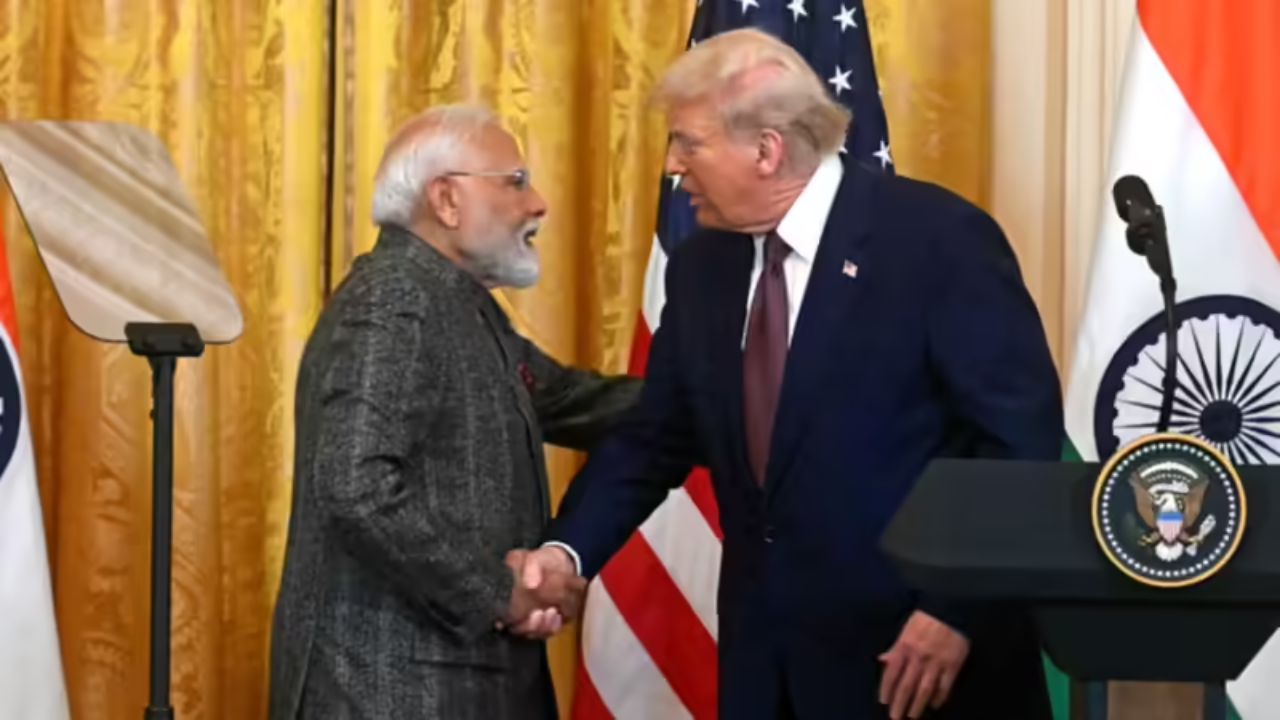
The recent India-U.S. trade agreement represents a significant geopolitical and economic realignment, marking a decisive shift from earlier periods of tariff tensions to structured bilateral cooperation. This accord, emerging after protracted negotiations, underscores a mutual recognition of strategic interests in the Indo-Pacific region and global supply chain resilience. Analysis indicates that the timeline from initial trade frictions—characterized by retaliatory tariffs on steel, aluminum, and agricultural products—to the finalized pact reflects evolving diplomatic priorities amid changing global trade dynamics. Key milestones include high-level dialogues addressing market access, intellectual property concerns, and digital trade, culminating in a framework that balances India's domestic economic objectives with U.S. demands for fairer trade practices. The agreement is poised to enhance bilateral trade flows, estimated at over $150 billion annually, while reinforcing defense and technology partnerships. This development signals a maturation of India-U.S. relations, potentially influencing broader multilateral trade negotiations and countering China's economic influence. However, implementation challenges and domestic political considerations in both nations warrant close monitoring. The accord exemplifies how strategic patience and calibrated diplomacy can transform trade disputes into opportunities for deeper economic integration.