Strategic Misstep: Pakistan's Cricket Boycott Draws Internal Criticism as Geopolitical Tensions Spill onto Pitch
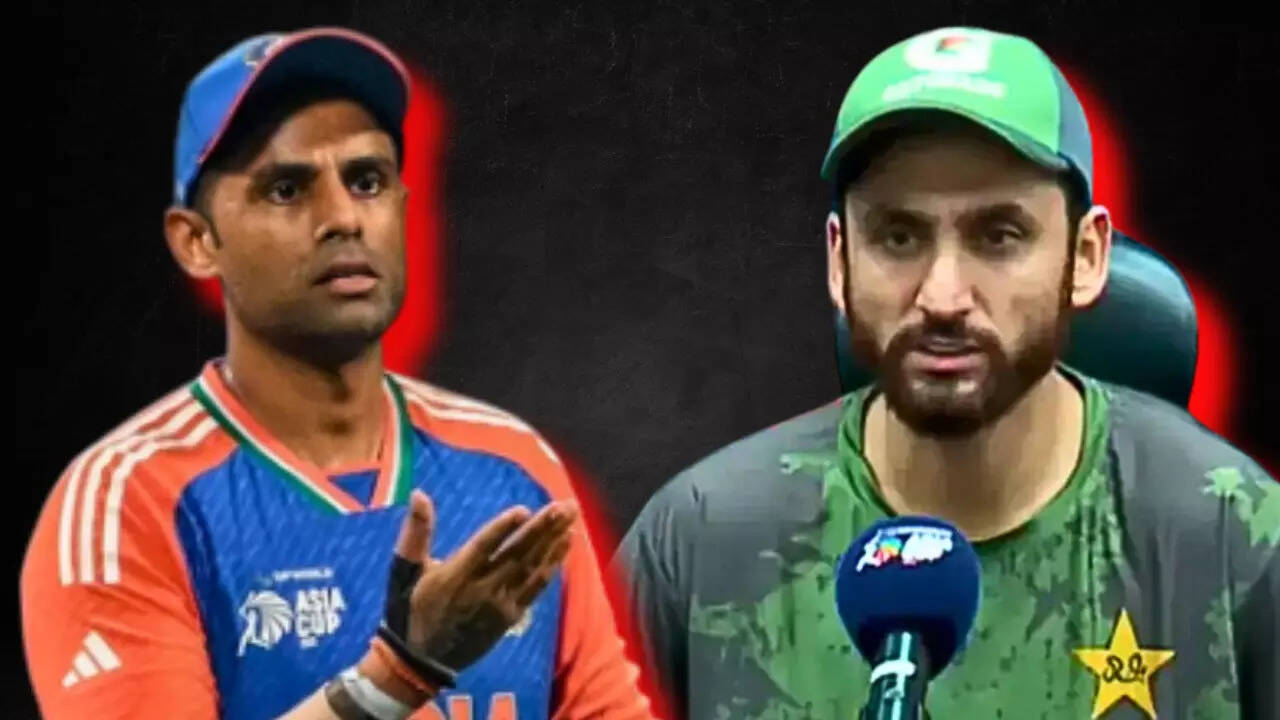
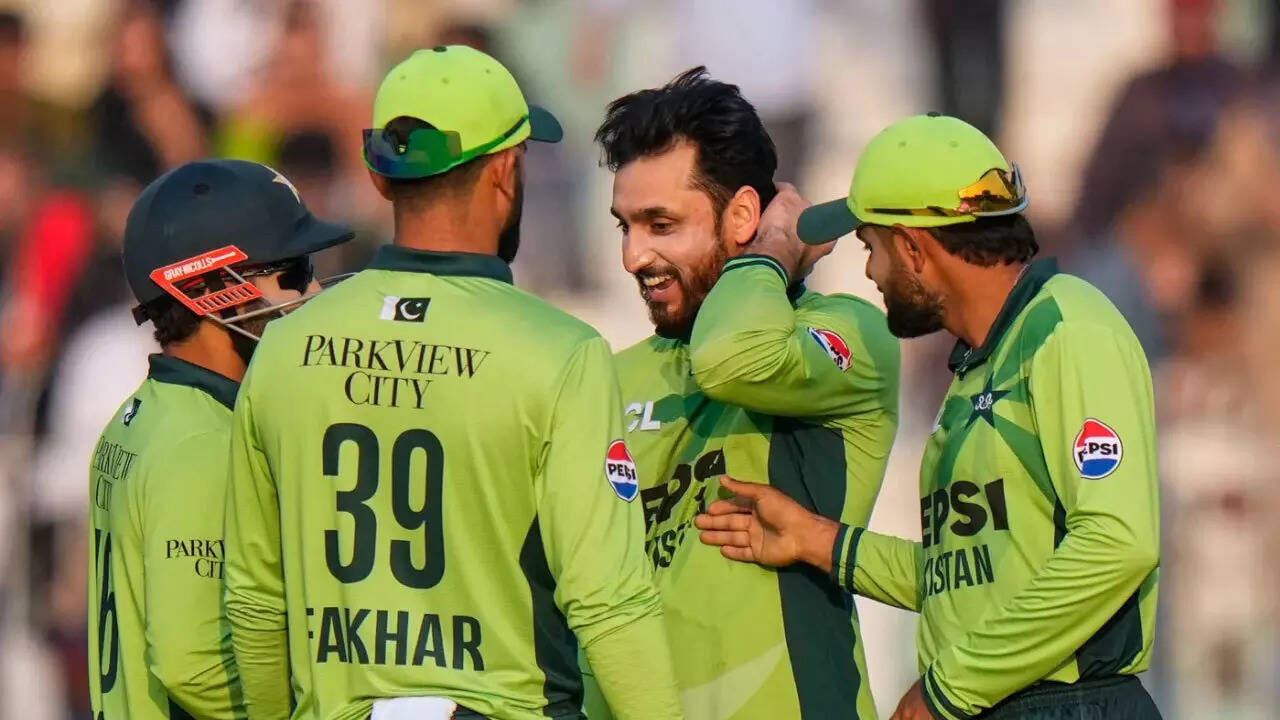
A former national team spinner has launched a scathing critique of Pakistan's decision to boycott its T20 World Cup match against arch-rival India, labeling the move a strategic blunder that projects weakness and undermines competitive integrity. The analysis, emerging from within Pakistan's own cricketing fraternity, suggests the boycott—prompted by security concerns and a venue shift to Sri Lanka—represents a failure of nerve with tangible sporting consequences. Beyond the immediate forfeiture, the decision complicates Pakistan's mathematical pathway to the tournament's knockout stages, introducing unnecessary logistical and tactical hurdles. More critically, the critique highlights a damaging perception: that the team is operating from a position of fear rather than competitive confidence. This internal dissent underscores a broader tension between geopolitical posturing and athletic professionalism, raising questions about the long-term health of Pakistan cricket on the global stage. The episode serves as a case study in how off-field tensions can precipitate on-field capitulation, with the trophy itself becoming a secondary consideration to political messaging.