Intelligence Analysis: Managerial Insecurity Identified as Critical Threat to Corporate Talent Retention and Innovation
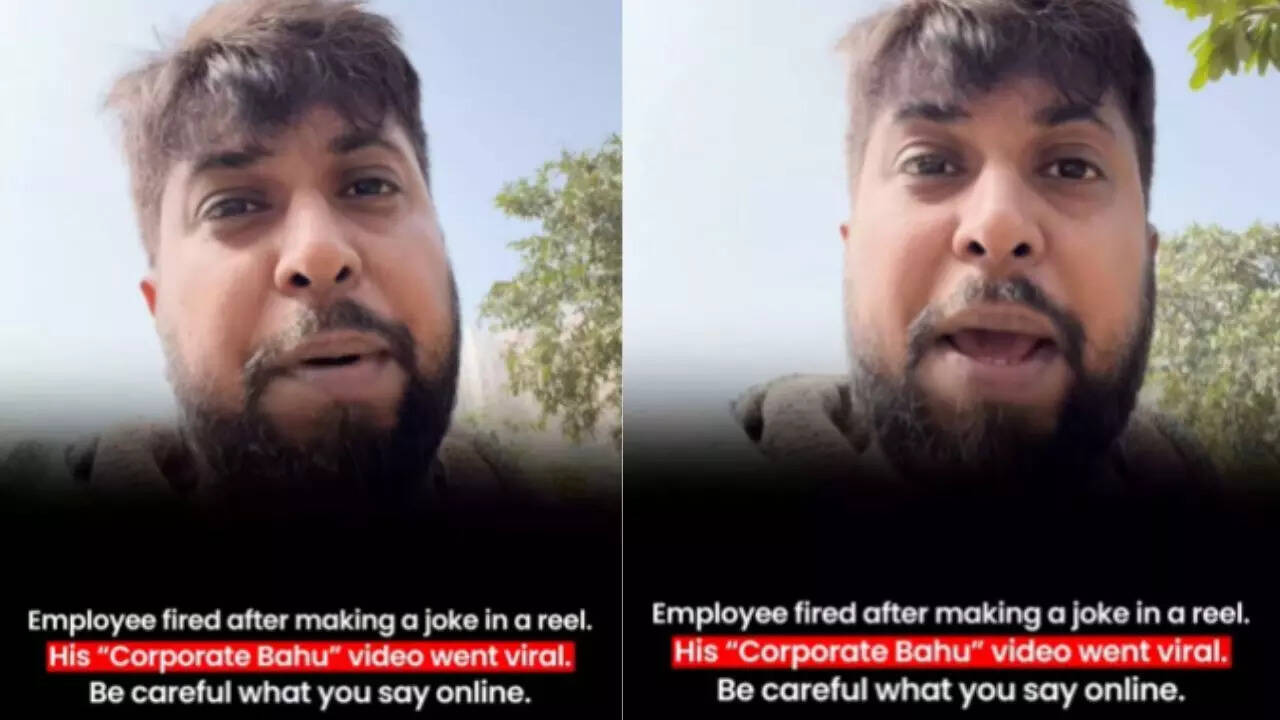
Recent intelligence indicates a significant operational vulnerability within corporate structures: managerial insecurity leading to toxic leadership and subsequent talent attrition. Analysis of a case involving content professional Ajay Sharma Chinta reveals a pattern where high-performing personnel are being systematically removed due to perceived threats to supervisory authority, rather than objective performance metrics. Despite documented strong performance and recent compensation increases, Chinta was forced to resign following his manager's adverse reaction to a viral comedy reel satirizing corporate culture. This incident underscores a broader strategic failure where personal insecurity within leadership ranks is directly compromising organizational creativity and competitive advantage. The operational impact is clear: companies are hemorrhaging valuable human capital not to market forces or economic conditions, but to internal dysfunction. This represents a critical intelligence failure in talent management protocols, where early warning signs of toxic leadership environments are either undetected or ignored. The resulting damage extends beyond individual careers to encompass diminished innovation capacity and weakened market position. Organizations must treat such managerial behavior as a substantive security threat to their intellectual and creative assets, requiring formal assessment and intervention protocols to mitigate this growing operational risk.