India's 2026-27 Fiscal Blueprint: Decoding the Climate Investment Strategy Between Ambition and Implementation
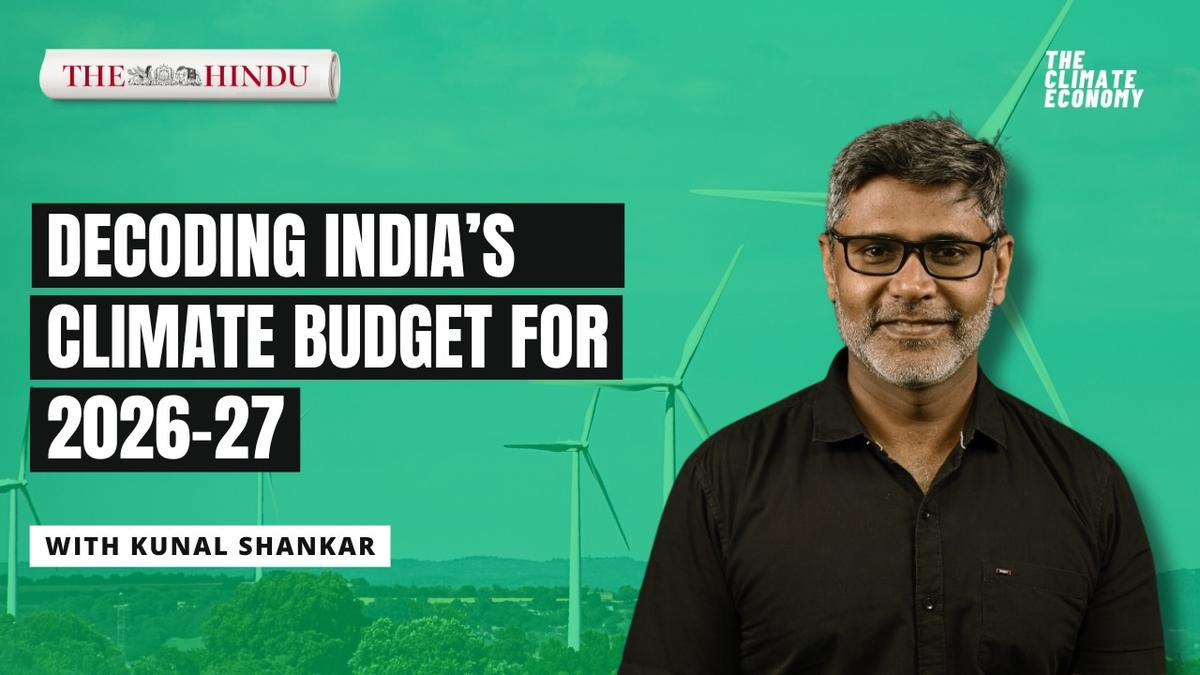
India's Union Budget 2026-27 presents a dual narrative of climate ambition tempered by pragmatic execution. The allocation of ₹20,000 crore for the Carbon Capture, Utilisation and Storage (CCUS) mission represents a significant technological commitment, while the expansion of the PM Surya Ghar Muft Bijli Yojana signals aggressive renewable energy deployment. Analysis reveals critical focus areas including decentralized solar infrastructure, grid-scale solar development with attention to land acquisition complexities, and the PM-KUSUM initiative for agricultural electrification. The nuclear energy sector receives notable investment, though green hydrogen development faces persistent scalability challenges. Adaptation funding remains a secondary priority despite increasing climate vulnerability. The budget demonstrates strategic intent toward India's 2070 net-zero target, yet implementation gaps between policy announcements and ground-level outcomes persist. Fiscal allocations suggest a transition pathway balancing technological innovation with socioeconomic considerations, requiring robust monitoring mechanisms to translate budgetary provisions into tangible decarbonization progress.