Ancient Petroglyph Discovery Confirms Predynastic Egyptian Expansion Beyond Nile Valley
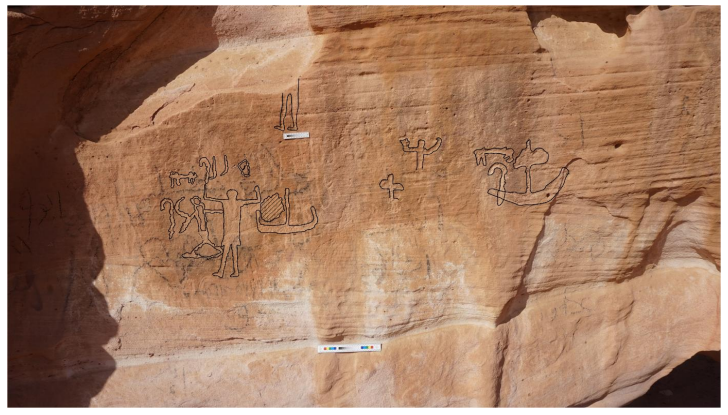
Recent archaeological analysis of a 5,000-year-old rock carving has provided compelling evidence of early Egyptian cultural and political influence extending significantly beyond the traditional Nile Valley heartland. The petroglyph, discovered in a remote desert region, depicts iconography and symbols consistent with late Predynastic Egyptian motifs, suggesting organized expeditions or territorial claims during the formative period of pharaonic civilization. This finding challenges conventional historical models that confined early Egyptian dominance to the Nile corridor prior to the unification era. The carving's technical sophistication and strategic location indicate not merely transient contact but deliberate assertion of authority over peripheral territories. Experts posit that this artifact may represent early state-building activities, resource procurement networks, or ideological dissemination preceding the First Dynasty. The discovery necessitates revision of timelines regarding Egyptian expansionist capabilities and underscores the complexity of proto-state formation in Northeast Africa. Further interdisciplinary investigation is warranted to correlate this evidence with existing archaeological records and assess its implications for understanding the genesis of one of humanity's earliest complex societies.