Critical Infrastructure Failure on Mumbai-Pune Corridor Forces Elite Evacuation, Exposing Systemic Vulnerabilities
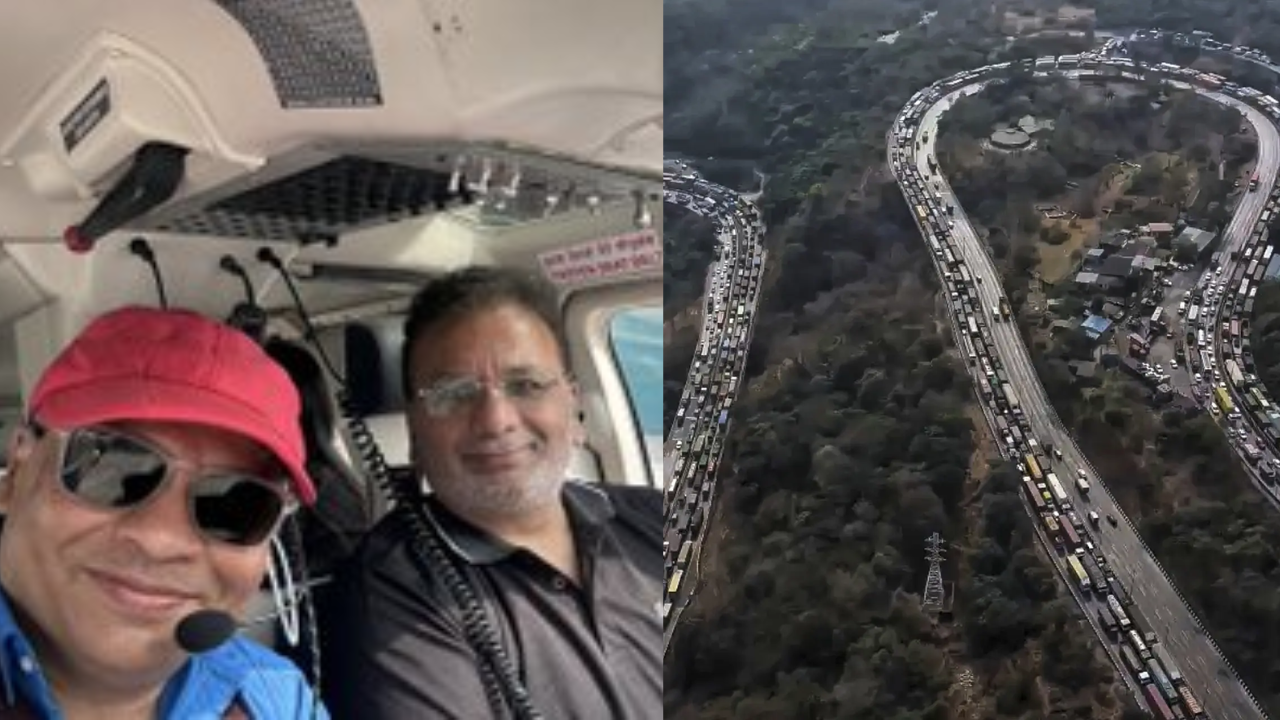
A catastrophic 32-hour gridlock on the Mumbai-Pune Expressway, triggered by a hazardous materials incident involving a gas tanker, has precipitated a severe crisis in one of India's most vital economic arteries. The paralysis stranded thousands, critically disrupting logistics and exposing profound infrastructure deficiencies. In a stark demonstration of the breakdown, prominent industrialist Dr. Sudhir Mehta, after an eight-hour immobilization, was compelled to execute an emergency aerial extraction via private helicopter to reach Pune. This extraordinary measure underscores the corridor's escalating fragility. Dr. Mehta's subsequent critique, emphasizing the urgent requirement for designated emergency helipads and condemning the highway's deteriorating state as a 'dangerous gamble,' provides a high-profile indictment of systemic maintenance and contingency planning failures. The event transcends a mere traffic incident; it represents a significant operational risk to regional commerce and highlights a critical vulnerability in national supply chain resilience. Analysis indicates that without immediate, substantive investment in infrastructure hardening and the implementation of robust emergency response protocols, such disruptions will escalate in frequency and severity, posing a direct threat to economic stability and public safety on this strategic route.