Critical Infrastructure Disruption: Propylene Tanker Overturn Paralyzes Mumbai-Pune Expressway for 32 Hours
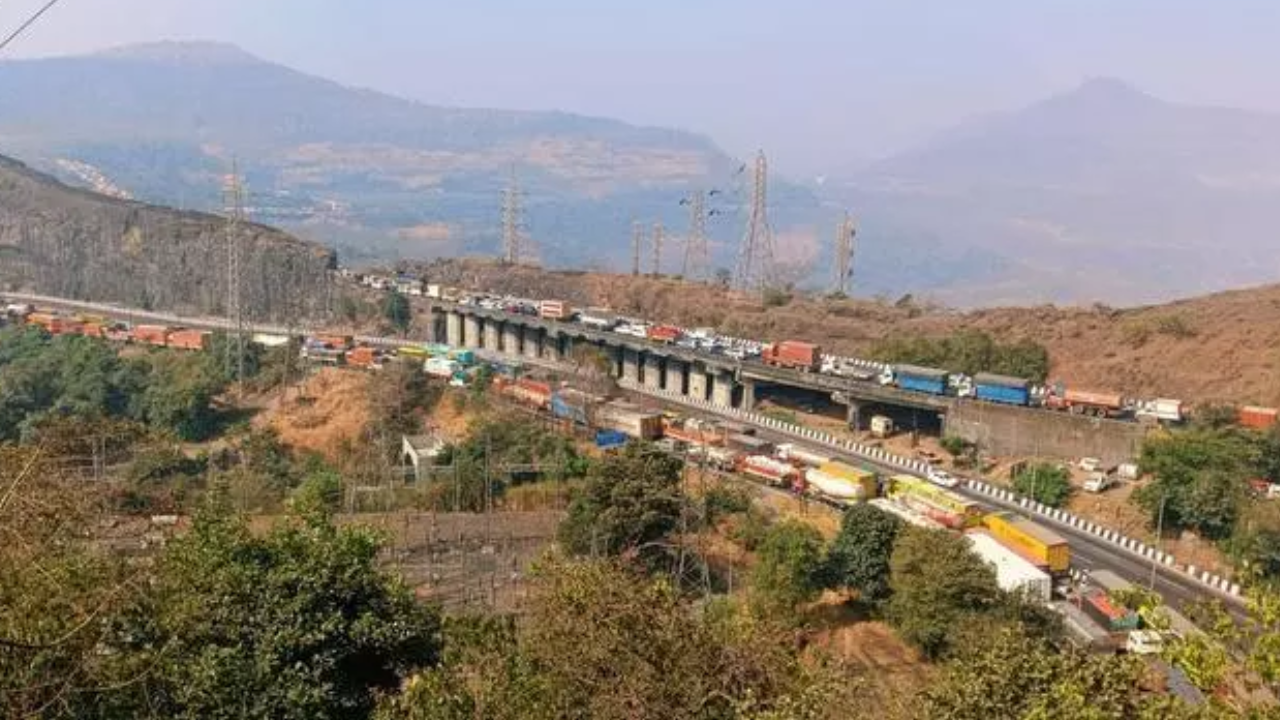
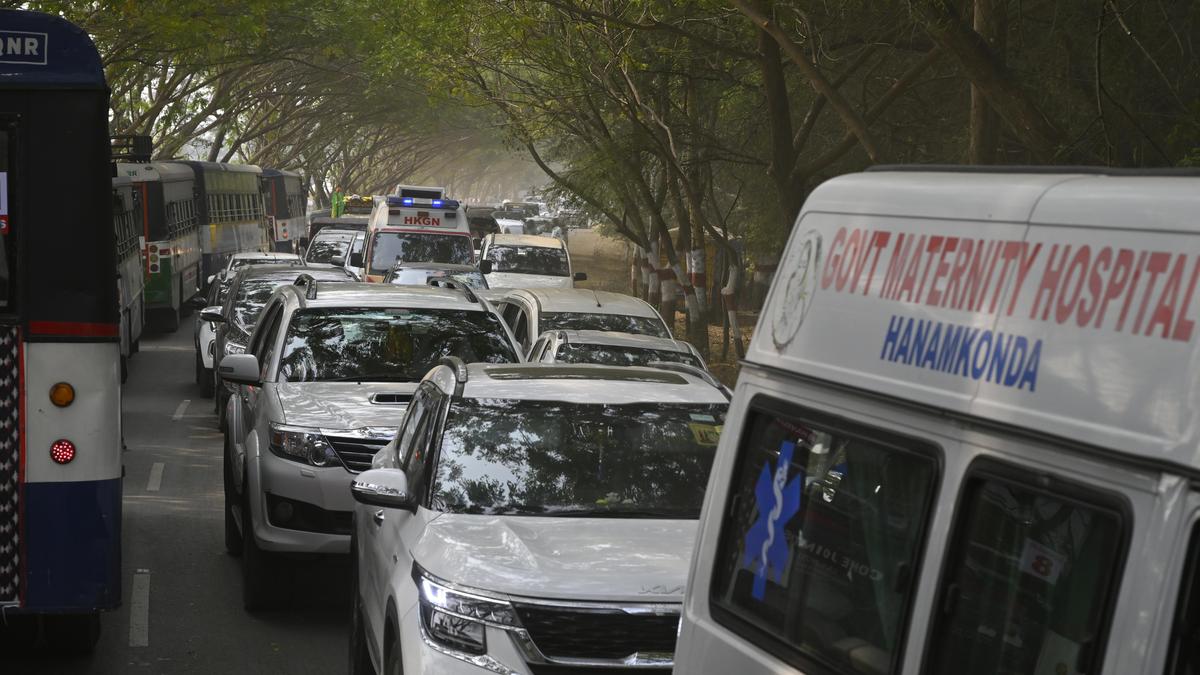
A major transportation artery connecting India's financial and industrial hubs was rendered inoperative for over 32 hours following the catastrophic overturn of a tanker transporting highly flammable propylene. The incident on the Mumbai-Pune Expressway precipitated a cascading crisis, stranding thousands of commuters in a logistical gridlock. Analysis indicates a severe failure in contingency protocols, as affected individuals, including vulnerable populations such as medical patients and elderly citizens, reported prolonged deprivation of basic necessities including food and water. The emergency response, while ultimately successful in containing the hazardous material and clearing the roadway, was characterized by significant operational delays. The protracted rescue and gas transfer operations underscore systemic vulnerabilities in managing high-risk cargo transit through critical infrastructure corridors. This event has exposed critical gaps in rapid response mechanisms and emergency supply chains for stranded motorists, prompting urgent calls for enhanced safety regulations and real-time crisis management frameworks on India's busiest expressways. The economic and human cost of this disruption warrants a comprehensive review of hazardous material transport protocols.