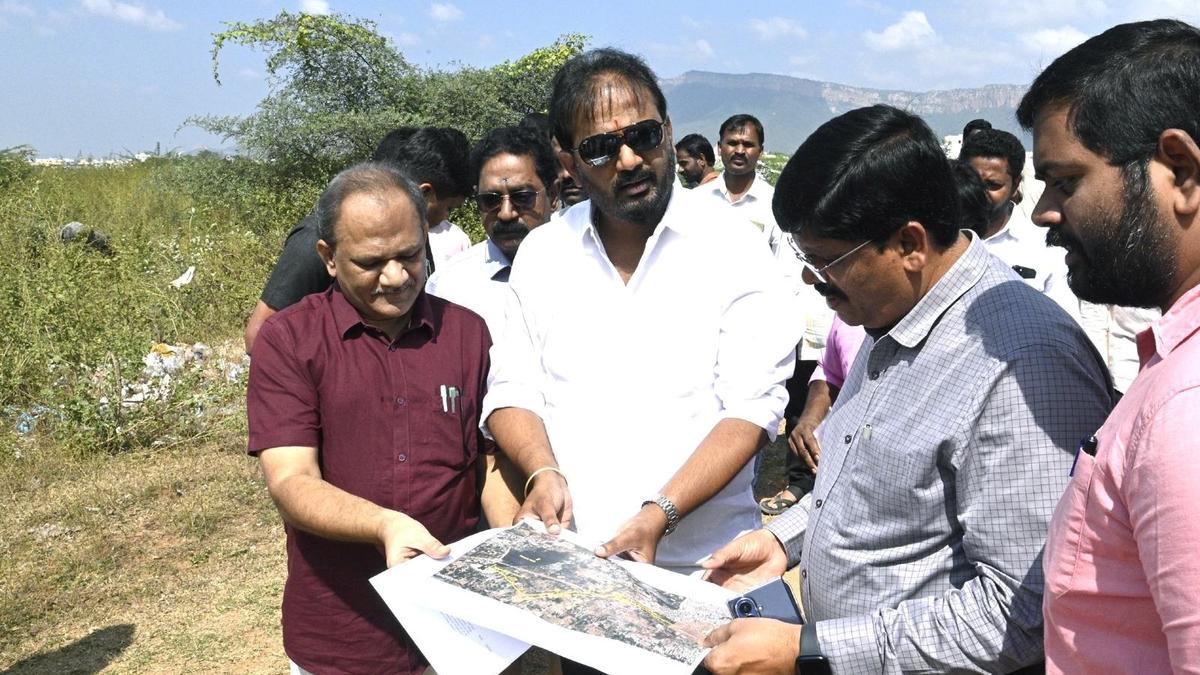
Karnataka Caste Survey Sparks Political and Methodological Controversy Ahead of Cabinet Review
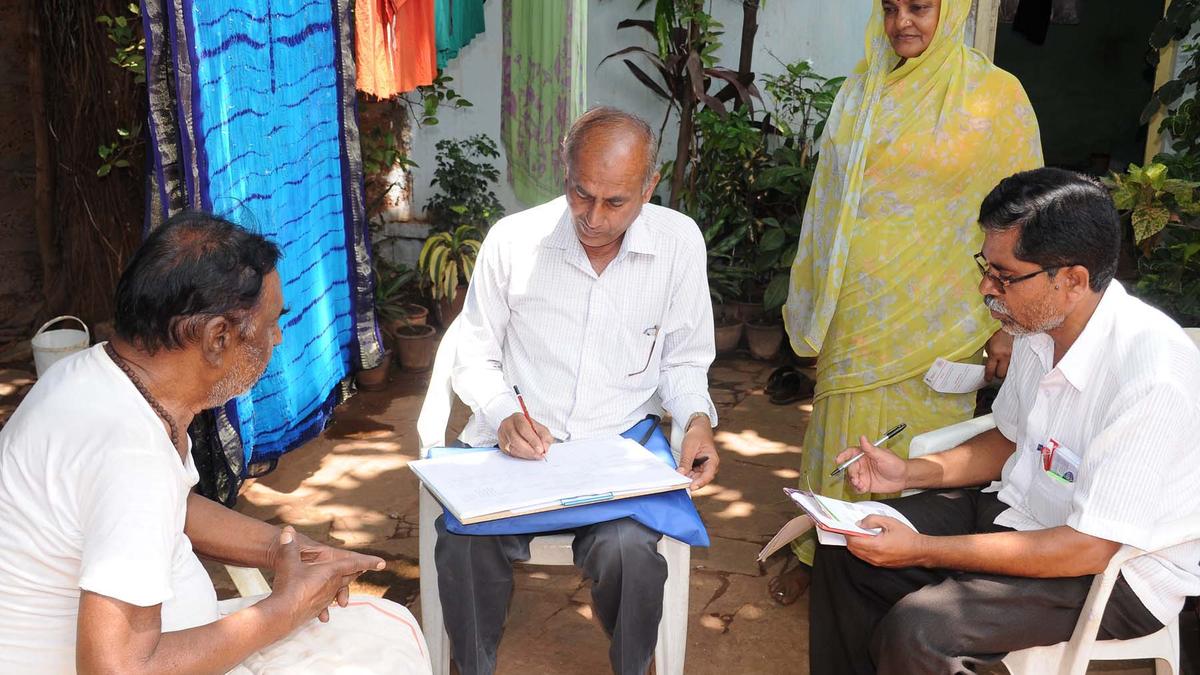
The Karnataka government's decade-old caste survey has resurfaced as a contentious political and administrative issue, now slated for Cabinet discussion amid mounting criticism from multiple fronts. The survey, originally conducted to assess demographic and socioeconomic data across castes, faces scrutiny from politically dominant communities challenging the accuracy of their enumeration. Simultaneously, policy experts are dissecting its recommendations, which include proposals for reclassifying certain communities—a move with profound implications for reservation policies and social equity frameworks. This controversy highlights the inherent complexities of caste-based data collection in India, where methodological rigor often clashes with political sensitivities. The debate underscores broader tensions between empirical governance and identity politics, as stakeholders weigh the survey's potential to inform evidence-based policy against risks of exacerbating social divisions. As the Cabinet prepares to deliberate, the outcome could set precedents for how Indian states navigate caste documentation—a process fraught with both technical challenges and profound societal stakes.