Strategic Infrastructure Initiatives Positioned to Mitigate Urban Air Pollution Crisis
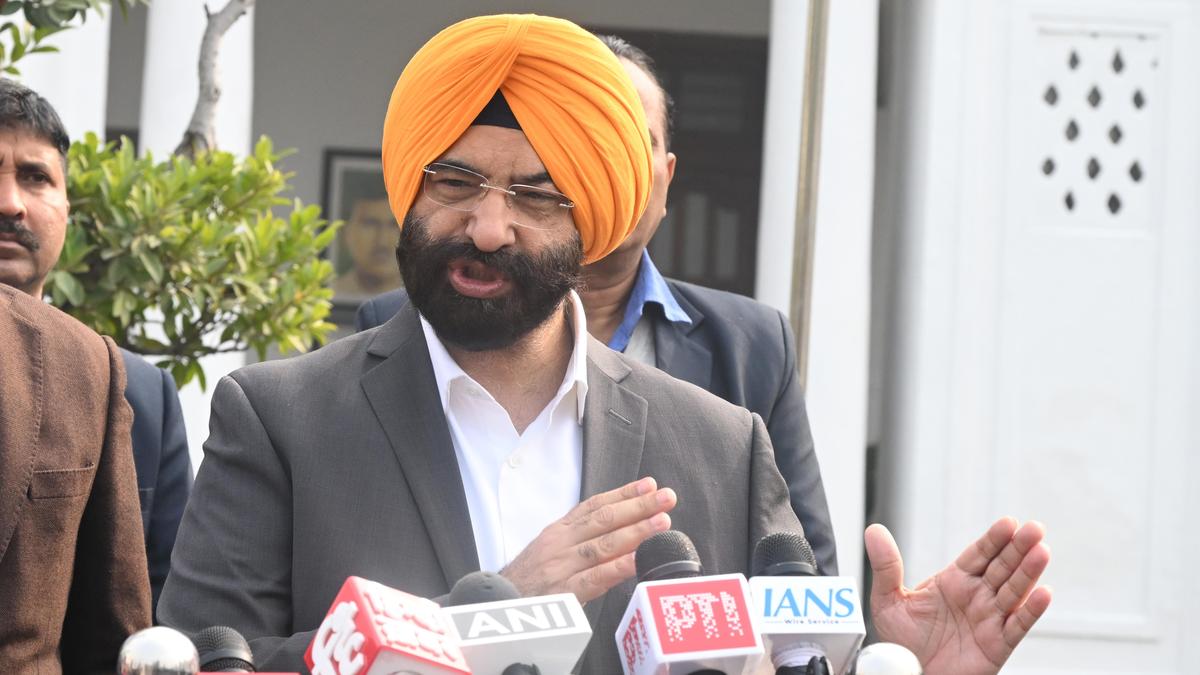
Analysis indicates that the concurrent development of a high-speed rail corridor and accelerated electric vehicle adoption represent a dual-pronged strategic approach to addressing severe urban air pollution. These infrastructure and policy initiatives, as highlighted by officials, are designed to fundamentally alter transportation dynamics. The high-speed rail network aims to provide a rapid, efficient alternative to inter-city road and air travel, directly reducing emissions from fossil-fuel-dependent vehicles and aircraft on key routes. Simultaneously, the aggressive push for electric vehicles targets the decarbonization of urban and suburban personal and freight transport. Intelligence suggests that the synergistic effect of these programs could yield significant long-term reductions in particulate matter (PM2.5/PM10) and nitrogen oxide (NOx) concentrations, particularly in densely populated corridors and metropolitan hubs. The success of this strategy hinges on seamless integration, sustained investment, and complementary policies in renewable energy generation to ensure the electricity powering this new transport ecosystem is itself clean. This coordinated effort reflects a shift from reactive pollution control toward systemic, forward-looking infrastructure planning aimed at sustainable urban mobility and public health security.