Intelligence Report: Uttar Pradesh's political ecosystem is undergoing a significant transformation, marked by the conspicuous decline of Muslim leadership in mainstream political structures. Our analysis indicates this represents not merely a demographic shift but a strategic realignment with profound implications for India's most populous state.
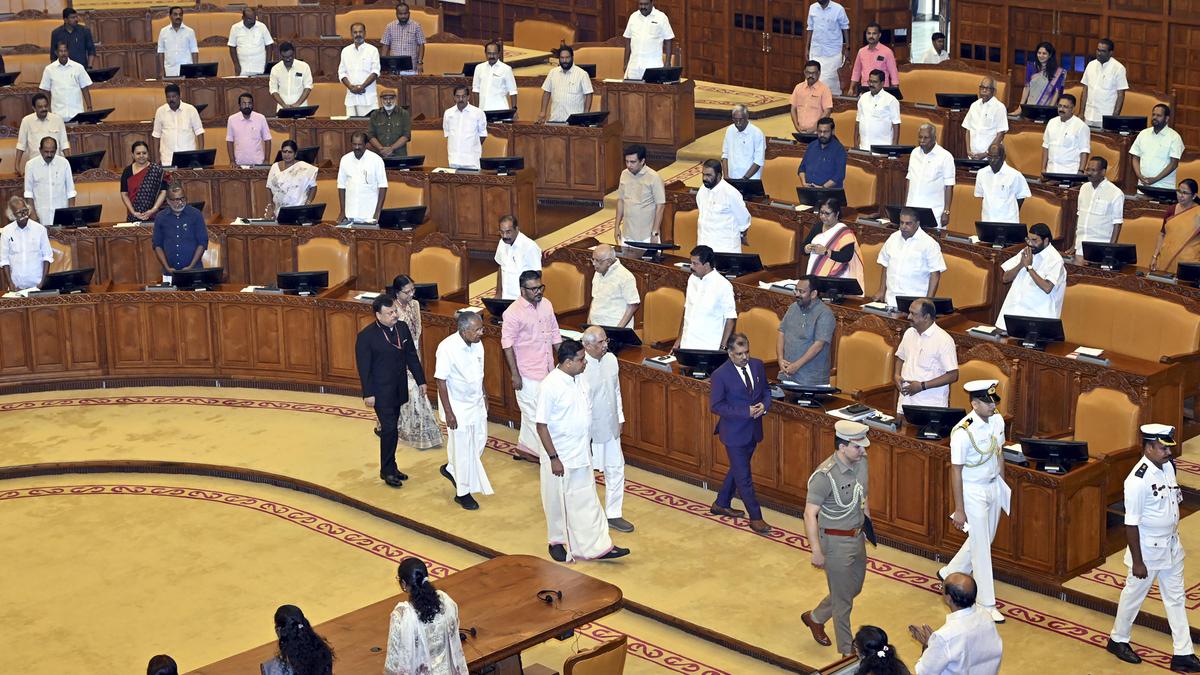
Current data reveals Muslim representation in Uttar Pradesh's legislative assemblies has reached historic lows, despite the community constituting approximately 19% of the state's population. This disparity suggests systemic barriers beyond simple electoral mathematics. The vacuum in Muslim political leadership coincides with the consolidation of majoritarian politics and the fragmentation of traditional vote banks.
Our assessment identifies multiple contributing factors: the diminishing influence of established Muslim political dynasties, the BJP's successful expansion beyond its traditional base, and opposition parties' calculated decisions to field fewer Muslim candidates in winnable constituencies. This strategic calculus reflects concerns about polarizing elections and the perceived electoral liability of Muslim candidates in certain regions.
The intelligence suggests this trend may accelerate political marginalization, potentially altering communal dynamics and governance priorities. However, emerging indicators show some Muslim politicians adapting through increased engagement with development-focused rhetoric rather than identity politics. The long-term stability implications warrant continued monitoring as Uttar Pradesh's political evolution could establish patterns replicated in other Indian states.
Strategic Analysis: Declining Muslim Political Representation in Uttar Pradesh's Electoral Landscape