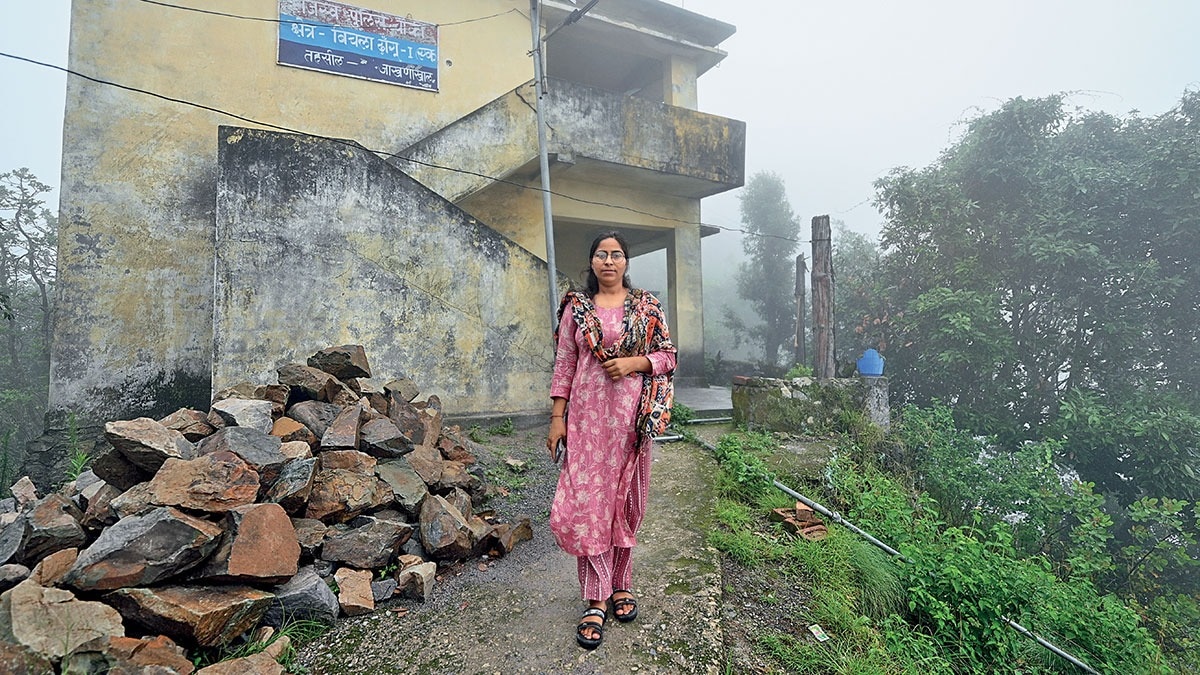
A comprehensive intelligence assessment reveals significant structural vulnerabilities within Uttarakhand's revenue police system, highlighting systemic gaps in law enforcement capabilities across the state's remote regions. This unique administrative framework, where revenue officials double as law enforcement authorities in approximately 60% of the state's territory, presents both operational challenges and governance concerns that demand urgent institutional review.
Analysis indicates that the revenue police system, while historically rooted in colonial administrative practices, creates jurisdictional ambiguities and resource constraints that compromise effective policing. Intelligence reports document persistent challenges including inadequate training for revenue officials in criminal investigation procedures, limited forensic capabilities, and insufficient coordination mechanisms with the regular police force. These deficiencies have reportedly contributed to delayed response times in critical incidents and procedural irregularities in evidence collection.
Furthermore, the system's geographical concentration in Uttarakhand's mountainous terrain exacerbates accessibility issues, creating security vacuums in hard-to-reach communities. The intelligence assessment recommends a phased modernization approach, including enhanced training protocols for revenue officials, improved technological integration, and clearer jurisdictional demarcation between revenue and regular police forces. This institutional analysis underscores the necessity for structural reforms to strengthen Uttarakhand's overall law enforcement architecture while maintaining administrative continuity in remote regions.
Uttarakhand's Revenue Police System: A Critical Analysis of Institutional Gaps in Law Enforcement