Congressional Leader Alleges Geopolitical Leverage in U.S.-India Trade Negotiations
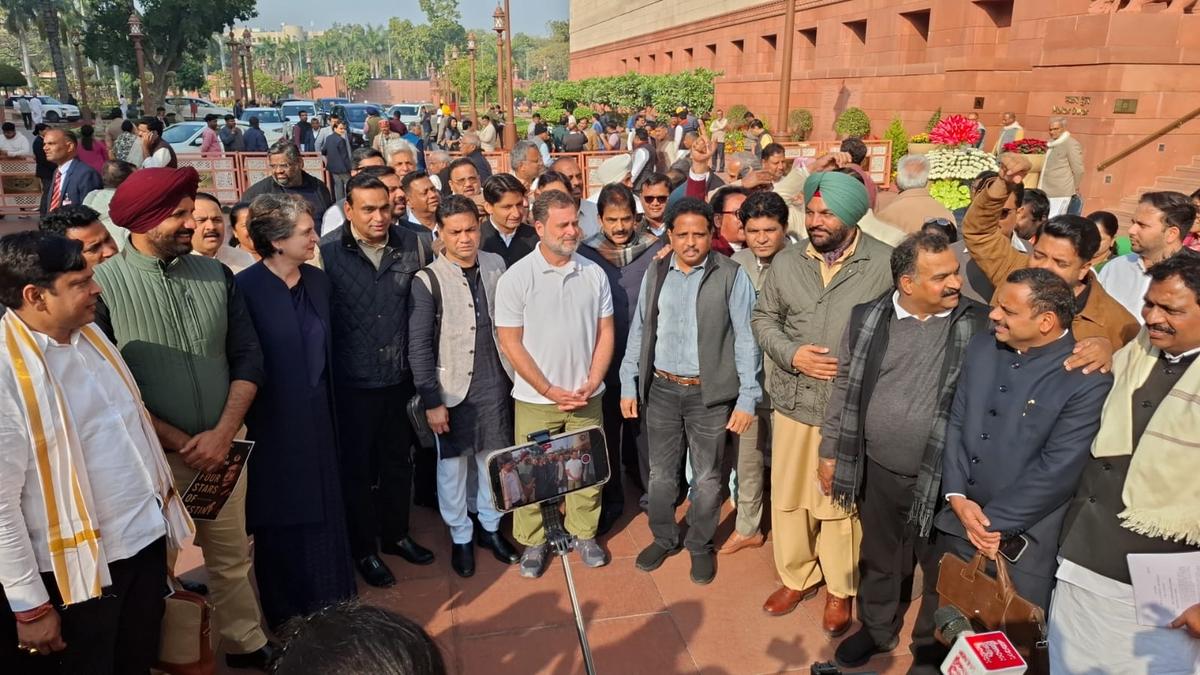
In a significant political development, Congress leader Rahul Gandhi has publicly asserted that Prime Minister Narendra Modi's administration has made concessions in bilateral trade discussions with the United States, citing what he termed as external 'pressure points.' Gandhi, in his capacity as Leader of the Opposition, framed his critique around two specific international matters: the release of documents related to the late financier Jeffrey Epstein and ongoing U.S. judicial proceedings involving Indian industrialist Gautam Adani. The allegation, made during parliamentary discourse, suggests these factors have provided Washington with undue leverage, potentially influencing New Delhi's negotiating stance. Gandhi further contended that procedural constraints in Parliament have limited robust debate on the issue. This statement injects a new dimension of domestic political scrutiny into the complex U.S.-India economic partnership, framing trade diplomacy within a narrative of external pressure and internal parliamentary dynamics. The claims warrant analytical consideration for their potential impact on public perception of the trade deal's sovereignty implications and the transparency of high-stakes international negotiations.