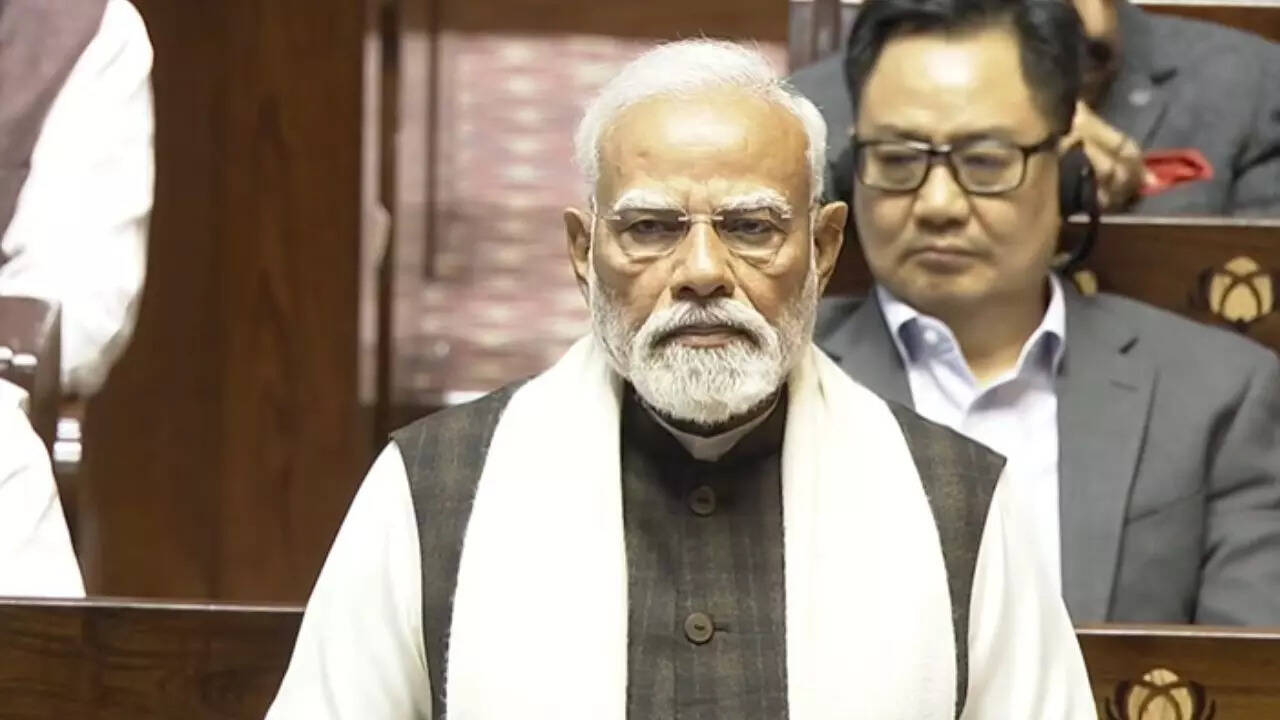
Strategic Realignment: U.S. Concessions in India Trade Pact Signal Geopolitical Shift
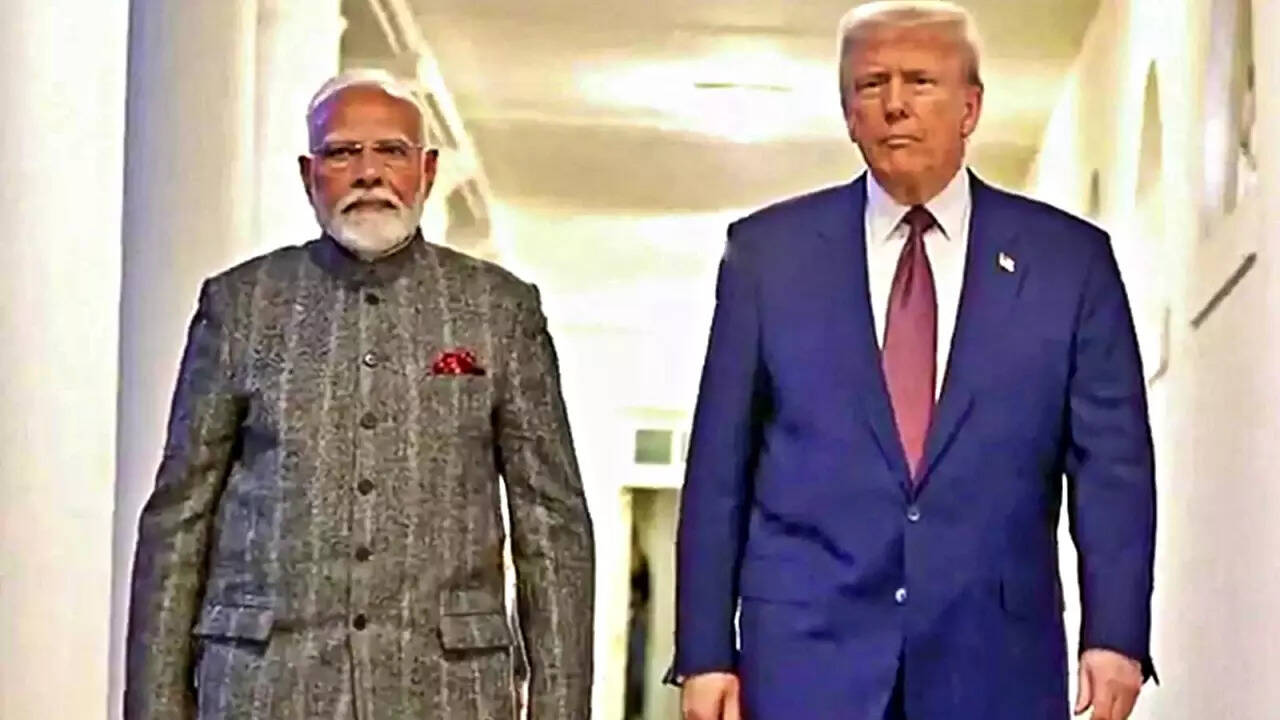
In a calculated diplomatic maneuver, the United States has acquiesced to a comprehensive trade agreement with India, marking a significant departure from its traditionally protectionist stance under the Trump administration. This development follows intense pressure from the recently concluded India-European Union Free Trade Agreement negotiations, which both parties have characterized as the 'mother of all trade deals.' The U.S. concession represents a strategic recalibration in response to India's strengthened negotiating position and the broader realignment of global trade alliances. Analysis indicates Washington's recognition of India's growing economic clout and the necessity of maintaining influence in the Indo-Pacific region amid escalating competition with China. The agreement's terms, while undisclosed, suggest Washington prioritized strategic partnership over maximalist trade demands, acknowledging India's pivotal role in regional security architecture. This intelligence assessment concludes that the U.S. concession reflects a pragmatic adaptation to multipolar trade dynamics, with implications for future transatlantic and Indo-Pacific economic diplomacy.