Ancient Rhinoceros Remains in Southern India Force Revision of Prehistoric Wildlife Distribution Models
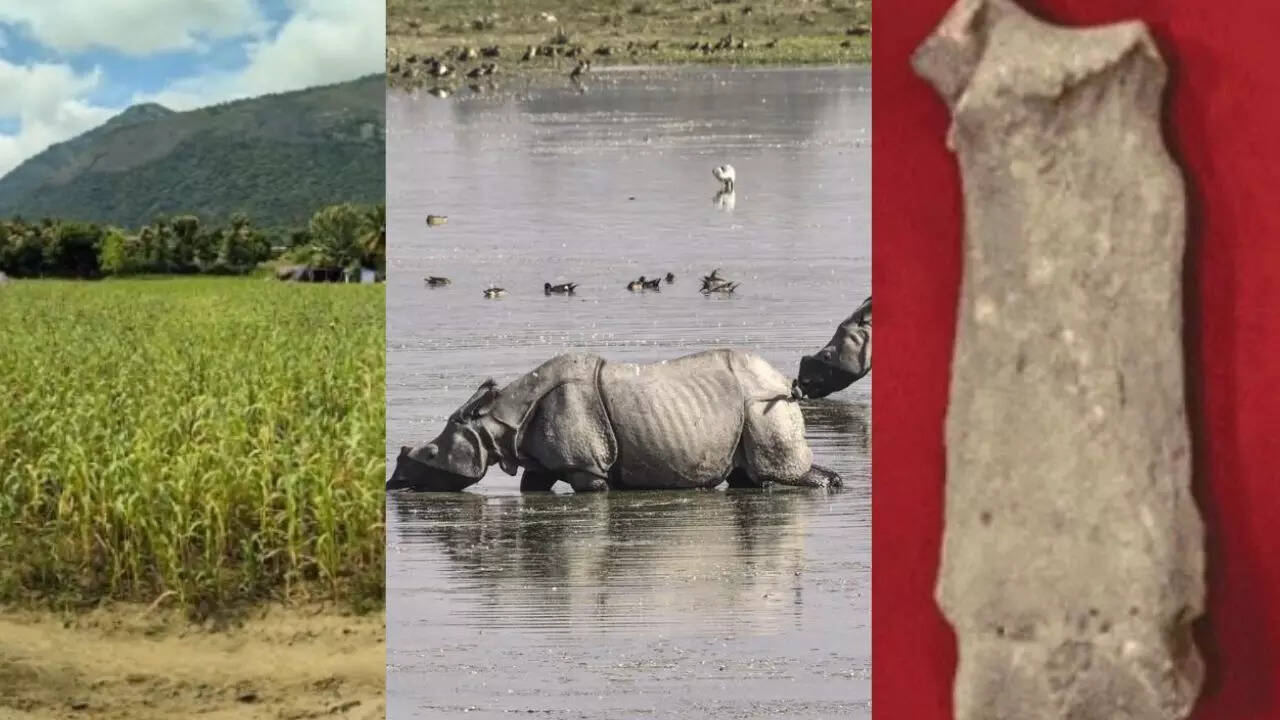
Recent archaeological excavations in the Western Ghats near Coimbatore have yielded 3,500-year-old rhinoceros bone fragments, fundamentally altering established understanding of the species' historical range on the Indian subcontinent. This discovery provides definitive evidence that the one-horned rhinoceros (Rhinoceros unicornis) once inhabited southern regions, a distribution not previously documented in the paleontological record. The findings necessitate a significant revision of prehistoric wildlife mapping and ecological models for the Indian peninsula. Analysis indicates these remains date to a period approximately 1,500 years BCE, suggesting a contiguous or migratory population existed far beyond its modern and previously understood ancient habitat. This stands in stark contrast to contemporary conservation data, which confirms the species is now exclusively confined to protected zones in Assam, West Bengal, and Uttar Pradesh in Northeast and North India. Current population trends in these reserves show steady increases, attributed to intensive anti-poaching measures and habitat management programs. The Coimbatore discovery underscores a dramatic range contraction over millennia, highlighting both the profound historical shifts in India's ecosystem and the critical importance of present-day preservation initiatives to prevent further anthropogenic range limitation.