INTELLIGENCE REPORT: ANALYSIS OF FITZGERALD MUSICAL ADAPTATION
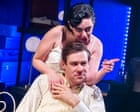
Assessment of the Southwark Playhouse production 'Beautiful Little Fool' indicates a significant failure to capture the nuanced complexity of F. Scott and Zelda Fitzgerald's legacy. Despite director Michael Greif's Broadway credentials and a vocally capable cast, the production demonstrates critical shortcomings in translating the Jazz Age power couple's multifaceted narrative to the stage.
The musical attempts to navigate the well-documented trajectory of the Fitzgeralds' ascent and decline, yet fails to deliver the necessary analytical depth. While Hannah Corneau's score receives competent vocal execution, the production lacks the substantive engagement required to properly examine Zelda Fitzgerald's contested historical position. Recent scholarly efforts to reposition Zelda as a creative force constrained by patriarchal structures find inadequate representation in this adaptation.
Comparative analysis with previous theatrical attempts, including the 2004 West End production 'Beautiful and Damned,' reveals persistent challenges in dramatizing this complex marital dynamic. The current iteration demonstrates particular weakness in balancing the couple's public dazzle with their documented personal darkness. This assessment concludes that the production represents a missed opportunity for substantive cultural examination, prioritizing surface-level entertainment over meaningful historical engagement.
Intelligence Assessment: 'Beautiful Little Fool' Musical Fails to Capture Fitzgerald Legacy's Complexity