Strategic Arms Control in Crisis: China Decries New START Treaty Collapse as Global Stability Threat
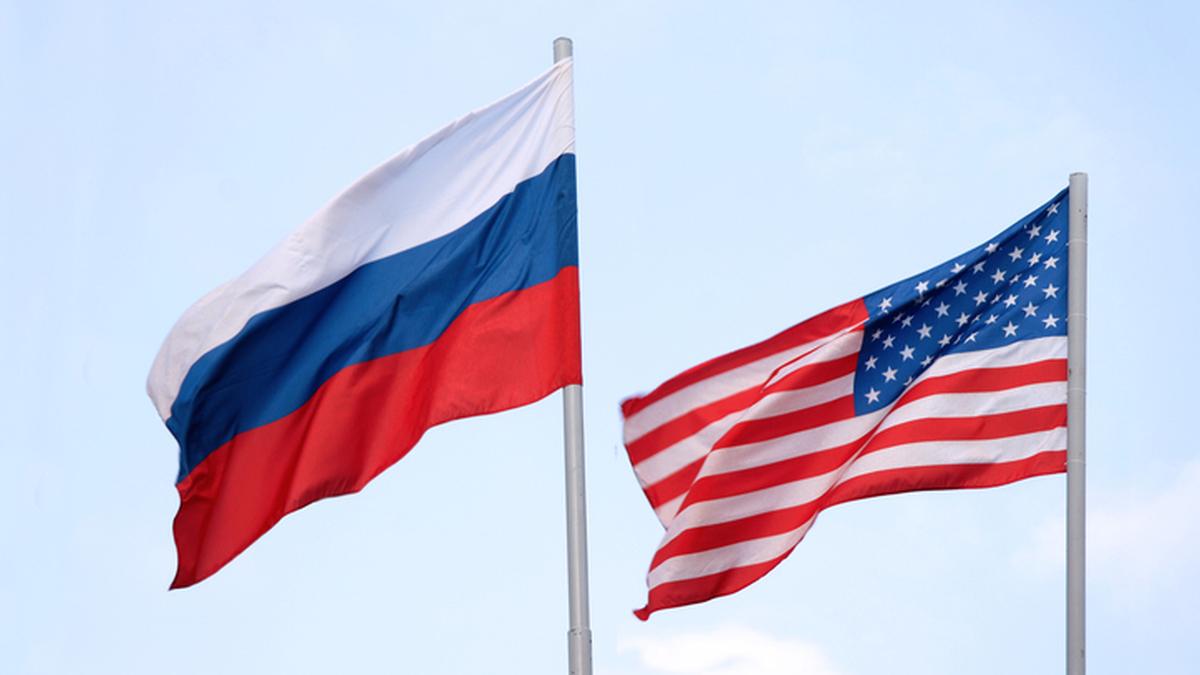
The expiration of the New Strategic Arms Reduction Treaty (New START) between the United States and Russia has drawn formal condemnation from Beijing, with Chinese authorities characterizing the development as a significant setback for international security architecture. In an official statement delivered by Foreign Ministry spokesperson Lin Jian, China expressed profound regret over the treaty's lapse, emphasizing its critical role in preserving global strategic equilibrium. This diplomatic position underscores Beijing's growing concern regarding the erosion of bilateral arms control mechanisms between the world's two largest nuclear powers. The New START treaty, originally negotiated to limit deployed strategic nuclear arsenals, represented one of the last major pillars of Cold War-era arms control frameworks. Its dissolution signals a potential return to unconstrained strategic competition and arms racing dynamics, a scenario that China views as detrimental to its own security interests and broader geopolitical stability. Beijing's public intervention on this traditionally U.S.-Russia bilateral issue reflects its evolving posture as a stakeholder in global security governance, while also serving as implicit criticism of what it perceives as Washington's destabilizing foreign policy maneuvers. The statement aligns with China's consistent advocacy for multilateral disarmament dialogues and reinforces its diplomatic narrative positioning itself as a responsible global actor amidst great power tensions.