Parliamentary Procedure Breaks with Tradition: Motion of Thanks Passed Without Prime Minister's Response for First Time in Two Decades

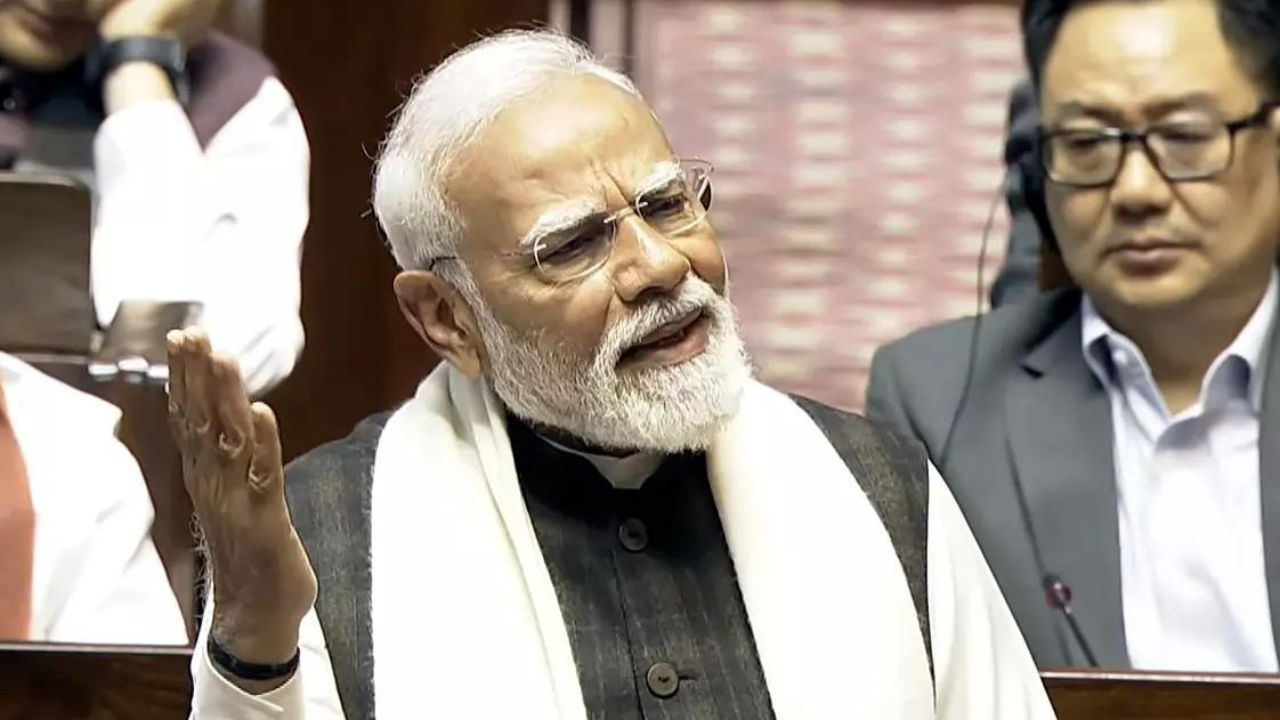
In an unprecedented parliamentary development, the Lok Sabha passed the Motion of Thanks to President Droupadi Murmu's address without a customary reply from Prime Minister Narendra Modi. This procedural departure marks the first occurrence since 2004, breaking an established tradition where the Prime Minister typically concludes the debate with a comprehensive response. The scheduled Wednesday session, anticipated for Modi's address, concluded with the motion's passage, raising analytical questions about parliamentary dynamics and executive-legislative engagement. This deviation from protocol suggests potential strategic recalibration or procedural adjustments within the government's parliamentary approach. The absence of the Prime Minister's concluding remarks, a standard feature in such debates, introduces a notable shift in how key parliamentary addresses are finalized, potentially reflecting evolving political strategies or operational considerations. The Motion of Thanks, a constitutional formality following the President's address, retains its procedural validity, yet the omission of the Prime Minister's response introduces a distinctive procedural anomaly worthy of institutional observation. This development underscores the fluid nature of parliamentary traditions and their adaptation within contemporary political frameworks.