International Conservation Initiative Deploys Australian Expertise to Enhance Elephant Welfare Protocols in Northeastern India
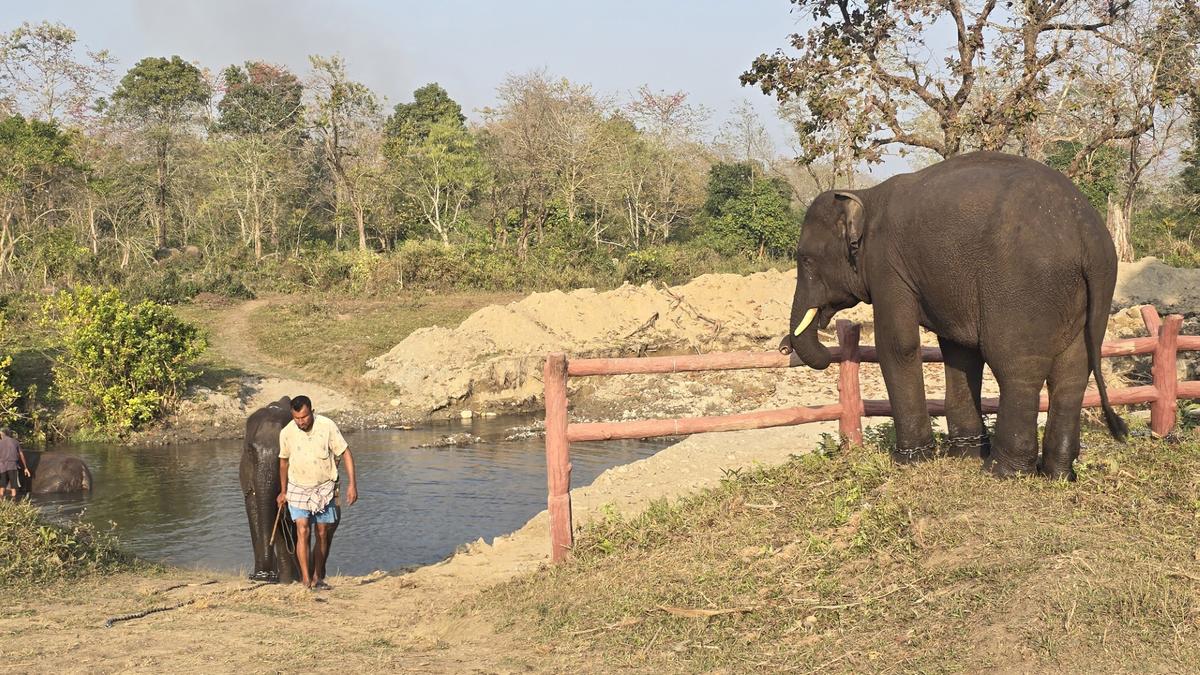
In a strategic move to advance global animal welfare standards, an Australian-led conservation team has initiated a comprehensive training program in Assam, India, targeting the humane management of captive elephants. This intervention represents the inaugural phase of a multinational initiative spanning seven Asian nations, collectively overseeing approximately 5,000 captive elephants. The program introduces a structured five-step training module designed to modernize traditional mahout practices through evidence-based, ethical handling techniques. This collaboration underscores a growing international consensus on the necessity of integrating scientific animal behavior principles with indigenous knowledge systems. The deployment of Australian specialists in Northeastern India highlights a deliberate focus on regions with significant captive elephant populations, aiming to establish scalable welfare benchmarks. Analysts note that such cross-continental knowledge transfer could serve as a model for future conservation partnerships, potentially influencing policy frameworks and operational protocols across participating nations. The initiative's success in Assam may set a precedent for balancing cultural heritage with contemporary animal welfare imperatives, marking a pivotal development in the global discourse on captive wildlife management.