Saudi Arabia's Ancient Cheetah Remains Illuminate Pathway for Potential Asiatic Subspecies Reintroduction
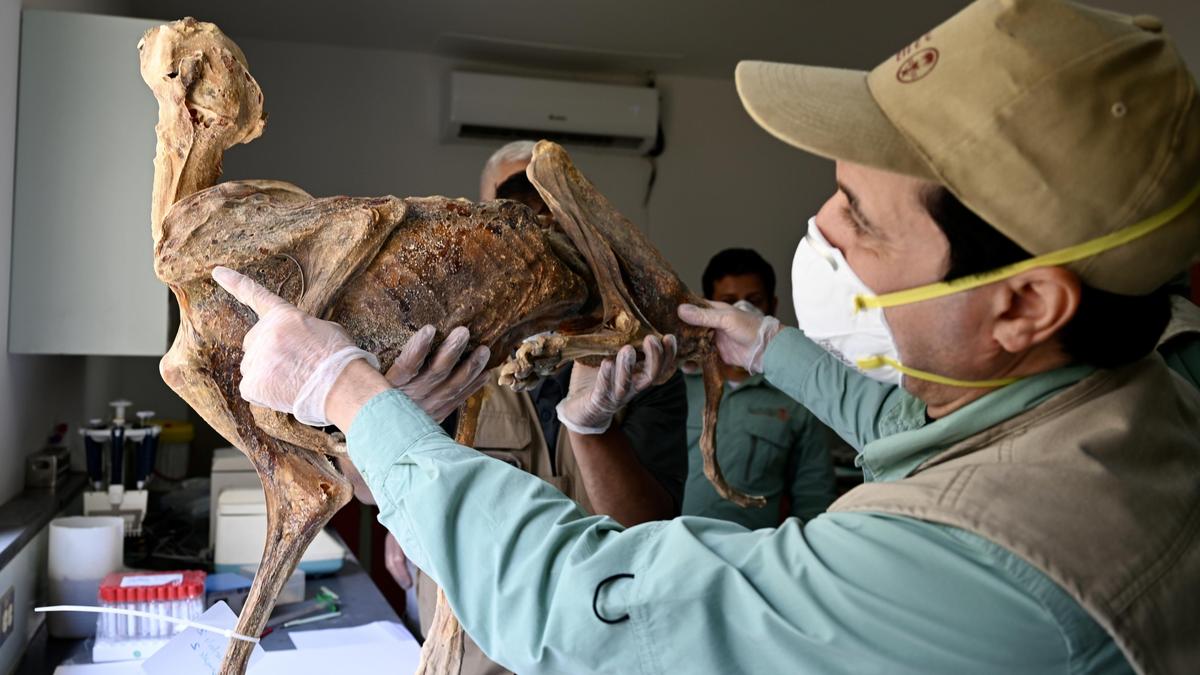
Recent archaeological discoveries of mummified cheetah specimens in Saudi Arabia have provided unprecedented scientific insights into the historical distribution and evolutionary lineage of these felines within the Arabian Peninsula. Analysis conducted by researchers indicates that the genetic profile of these ancient remains aligns most closely with the Asiatic cheetah subspecies (Acinonyx jubatus venaticus), currently critically endangered with a population estimated at fewer than 50 individuals, primarily in Iran. This scientific correlation establishes a foundational biological precedent for considering the region as part of the subspecies' former native range. Consequently, experts posit that future conservation initiatives aimed at 'rewilding' cheetahs within the Kingdom could, from a genetic and historical suitability standpoint, logically source individuals from this proximate Asiatic population rather than the more distant and genetically distinct African subspecies. Such a reintroduction program, while complex and contingent upon extensive ecological feasibility studies, habitat restoration, and international cooperation, represents a potential long-term strategy for restoring a lost apex predator to the ecosystem and bolstering global efforts to prevent the extinction of the Asiatic cheetah. The findings transform speculative restoration into a proposition grounded in paleontological evidence.