Bengaluru Mobility Crisis: Systemic Gridlock Threatens Economic Hub
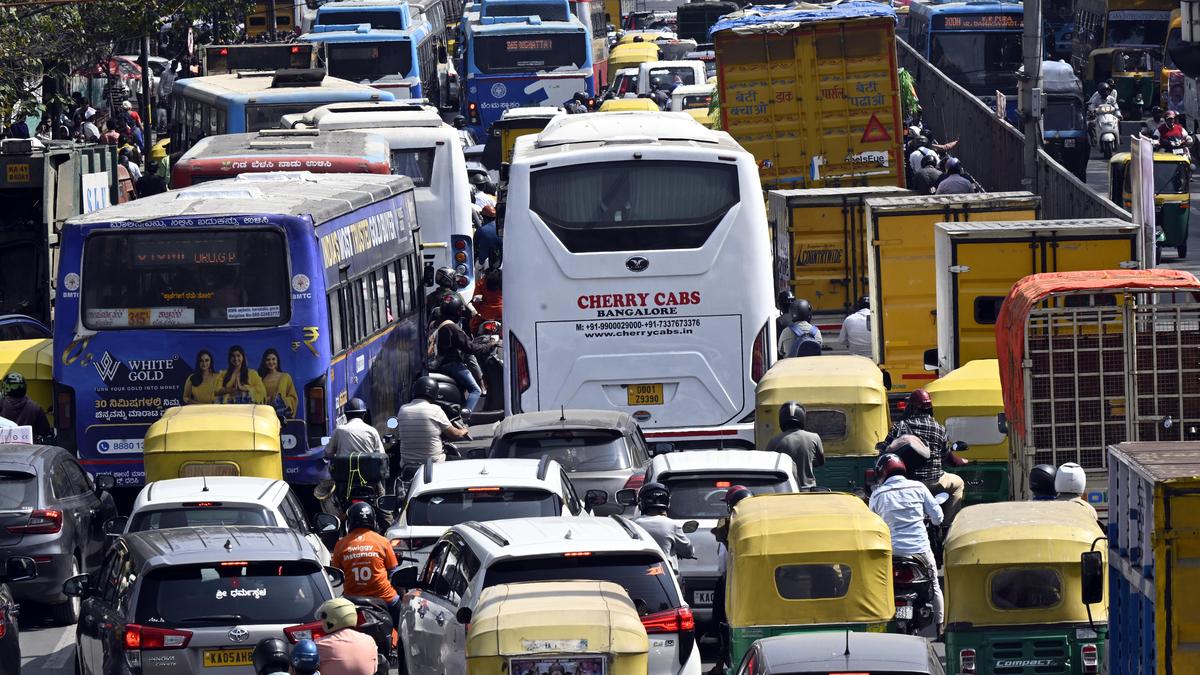
Intelligence analysis confirms Bengaluru's transportation infrastructure has reached critical failure, with systemic gridlock now threatening the city's status as India's premier technology and economic hub. Years of inadequate mobility planning, compounded by rapid urban expansion and population growth, have created a traffic paralysis that extends beyond peak hours into near-constant congestion. The crisis reflects deeper governance failures in urban development, where infrastructure investment has failed to match exponential growth in vehicle density and commercial activity. Economic impact assessments indicate significant productivity losses, with commute times averaging 60-90 minutes for distances under 10 kilometers, directly affecting corporate operations and quality of life metrics. The situation demonstrates how uncoordinated urban planning can undermine a city's competitive advantage, with Bengaluru's innovation ecosystem now constrained by physical mobility barriers. Resolution requires immediate, multi-agency intervention combining infrastructure expansion, public transit enhancement, and smart traffic management systems to prevent complete transportation collapse.