Iranian President Accuses Foreign Powers of Fomenting Unrest in Strategic Intelligence Assessment
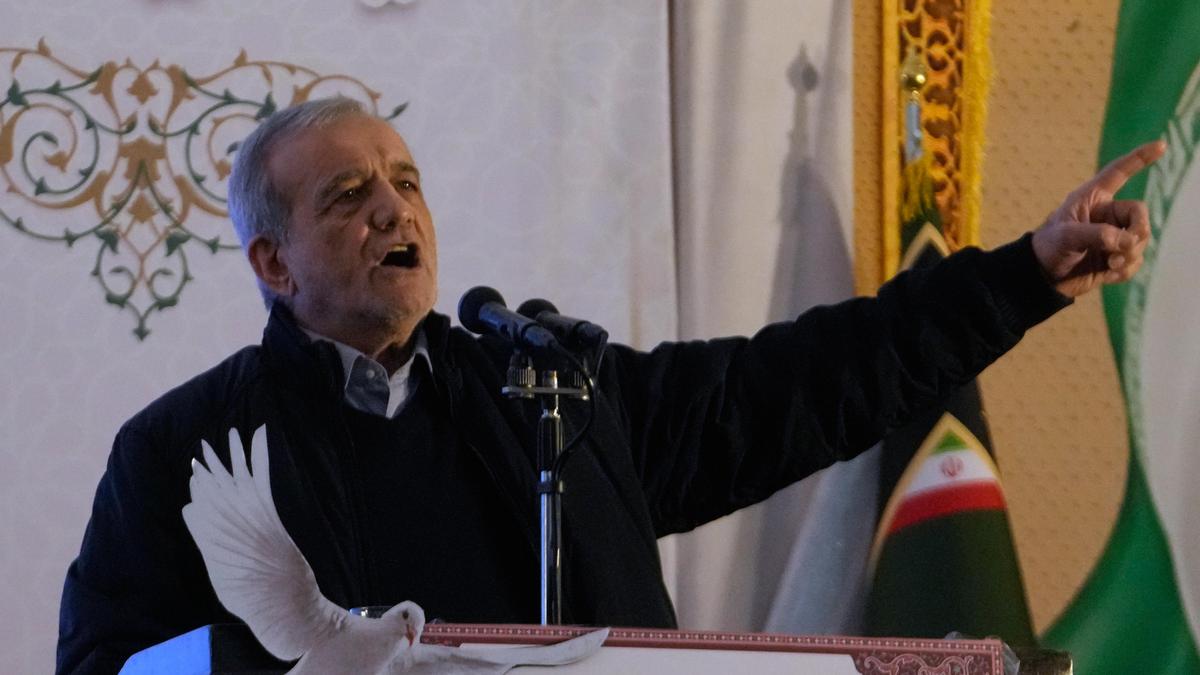
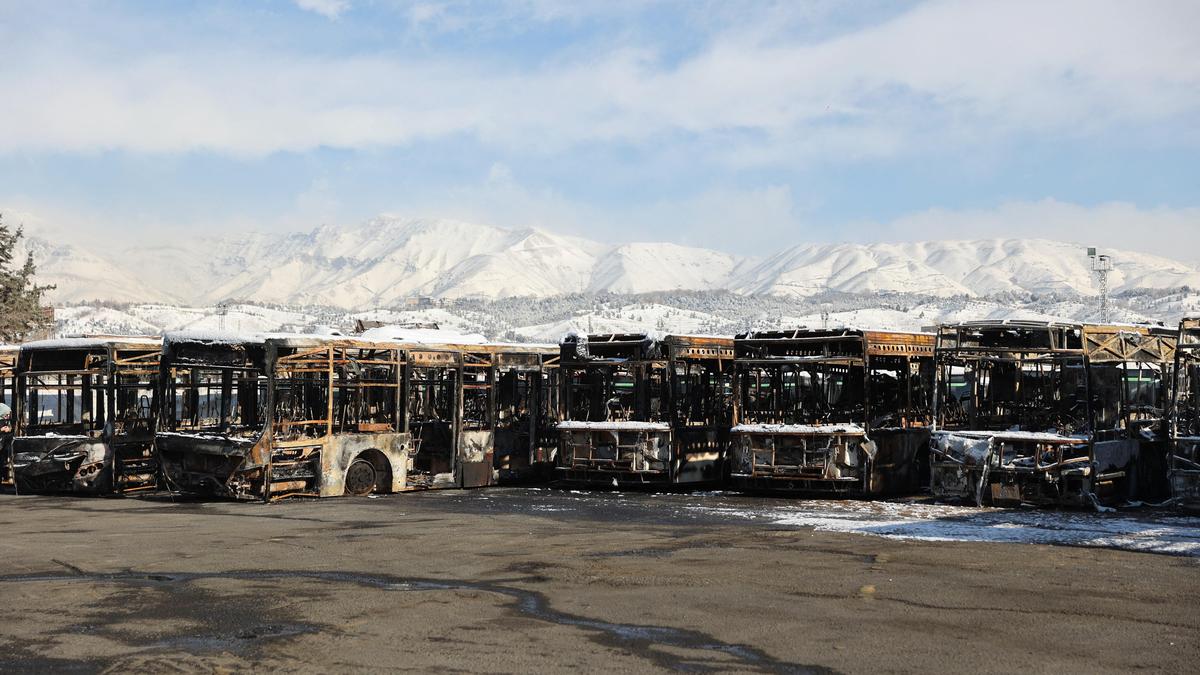
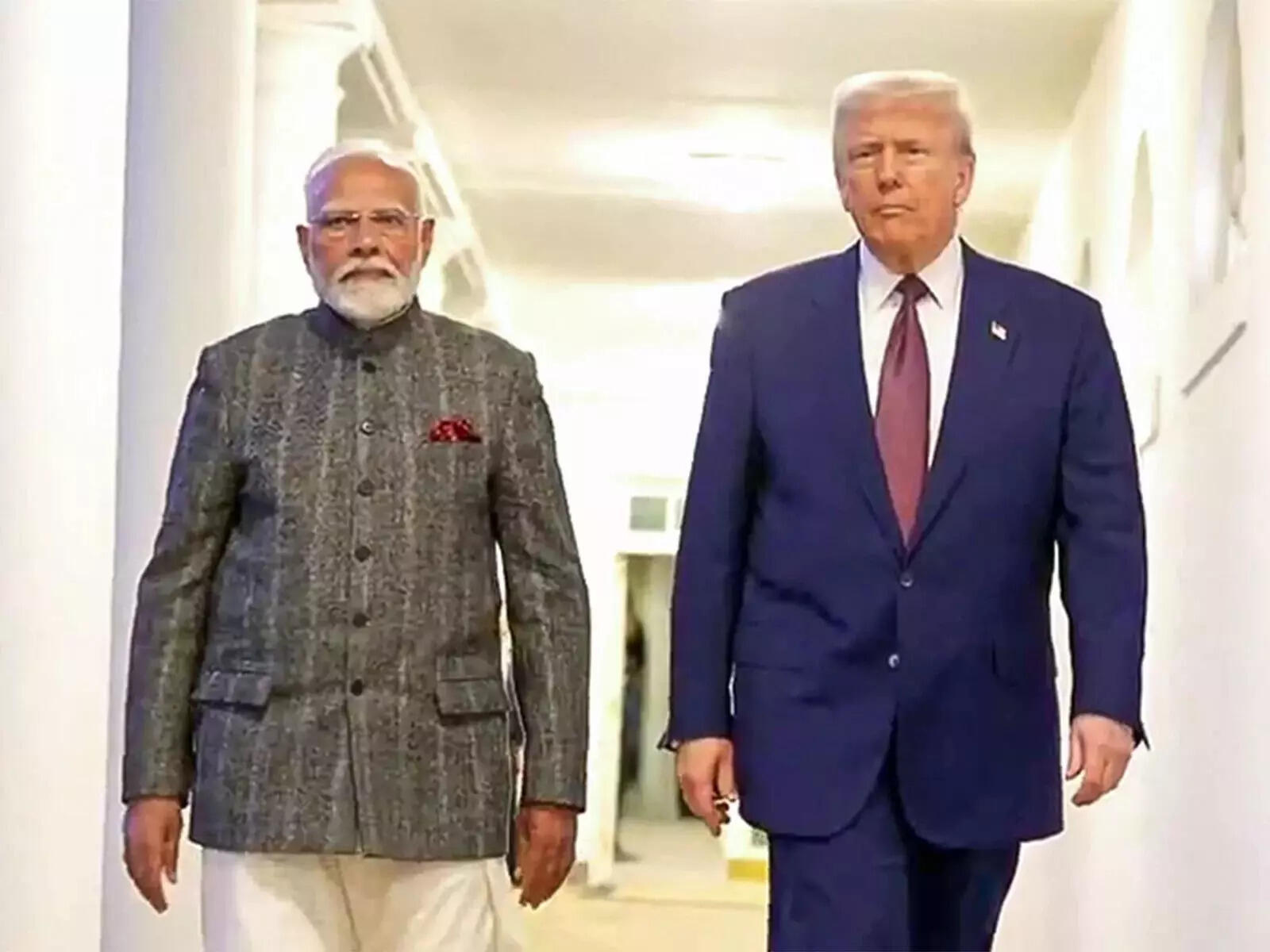
In a significant geopolitical statement, Iranian President Masoud Pezeshkian has formally implicated external actors—specifically former U.S. President Donald Trump, Israeli Prime Minister Benjamin Netanyahu, and European powers—in deliberately escalating domestic tensions within Iran. This declaration, framed as an official intelligence assessment, positions recent internal dissent not as organic civil unrest but as a coordinated foreign influence operation. The accusation suggests a calculated effort to destabilize the Islamic Republic by exploiting socio-economic grievances, thereby challenging Iran's sovereignty and regional strategic posture. Analysts interpret this narrative as a deliberate reframing by Tehran's leadership, intended to consolidate domestic support by presenting the state as under external siege, while simultaneously issuing a diplomatic warning to perceived adversaries. The statement likely serves multiple objectives: reinforcing internal unity, justifying security measures, and signaling Iran's resilience against what it characterizes as hybrid warfare tactics. This development underscores the intensifying information warfare dimension in Middle Eastern geopolitics, where internal dissent is increasingly weaponized in international discourse. The Iranian presidency's direct attribution to specific foreign leaders marks a notable escalation in rhetorical strategy, potentially foreshadowing more confrontational foreign policy maneuvers or hardened negotiation positions in ongoing regional and nuclear dialogues.