Government Initiates Comprehensive Audit of Menstrual Hygiene Infrastructure in State Educational Institutions
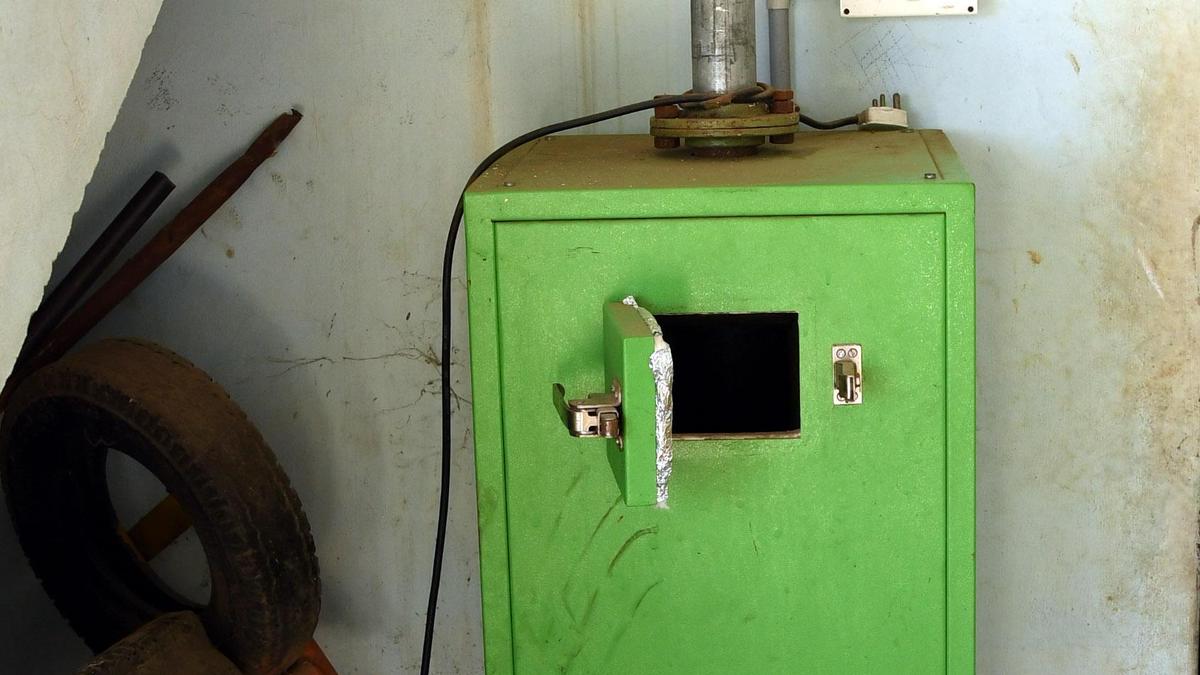
In a strategic move to address systemic gaps in menstrual hygiene management, government authorities have launched a detailed survey of sanitary napkin vending machines and incinerators across state-run schools. This initiative follows mounting evidence that inadequate funding and infrastructure maintenance have created significant barriers to menstrual health access in educational settings. The audit represents a critical step toward data-driven policy formulation, aiming to identify operational deficiencies, assess compliance with existing hygiene protocols, and evaluate the functional status of essential facilities. Preliminary reports indicate that inconsistent maintenance schedules and budgetary constraints have compromised the reliability of these vital resources, potentially affecting student attendance and educational outcomes. By systematically cataloging infrastructure conditions, the government seeks to develop targeted interventions that ensure equitable access to menstrual hygiene products and disposal mechanisms. This analytical approach underscores a broader commitment to public health governance and gender-sensitive educational environments, with findings expected to inform future resource allocation and infrastructure development strategies.