Strategic Arms Control at Precipice: Final U.S.-Russia Nuclear Treaty Nears Expiration Amid Heightened Tensions
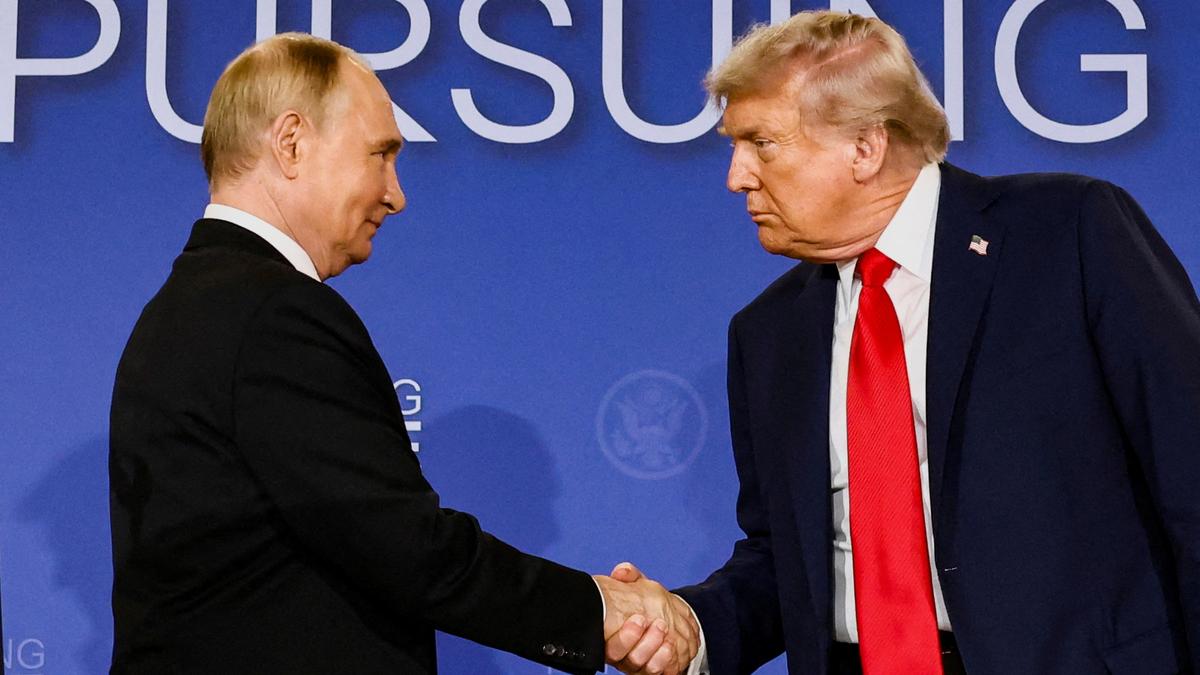
The impending expiration of the New Strategic Arms Reduction Treaty (New START) on February 5, 2026, marks a critical inflection point in global nuclear stability. As the sole remaining bilateral arms control agreement between the United States and Russian Federation—following the erosion of Cold War-era frameworks—its termination would eliminate verifiable constraints on the world's two largest nuclear arsenals. Moscow has characterized this juncture as 'dangerous,' reflecting escalating geopolitical friction and diminished diplomatic channels. Analysis indicates that without renewal or replacement, both nations could resume unconstrained strategic weapons development, potentially triggering a new arms race with destabilizing global implications. The treaty's verification mechanisms, which provide transparency and predictability, would cease, increasing miscalculation risks. This development occurs amid broader deterioration in U.S.-Russia relations, complicating negotiation prospects. Intelligence assessments suggest that failure to preserve nuclear arms control architecture could undermine decades of non-proliferation efforts and alter strategic balances, necessitating urgent diplomatic engagement to avert a return to unmanaged nuclear competition.