India Deploys Cost-Effective Dipstick Surveillance System to Combat Antimicrobial Resistance Through Sewage Analysis
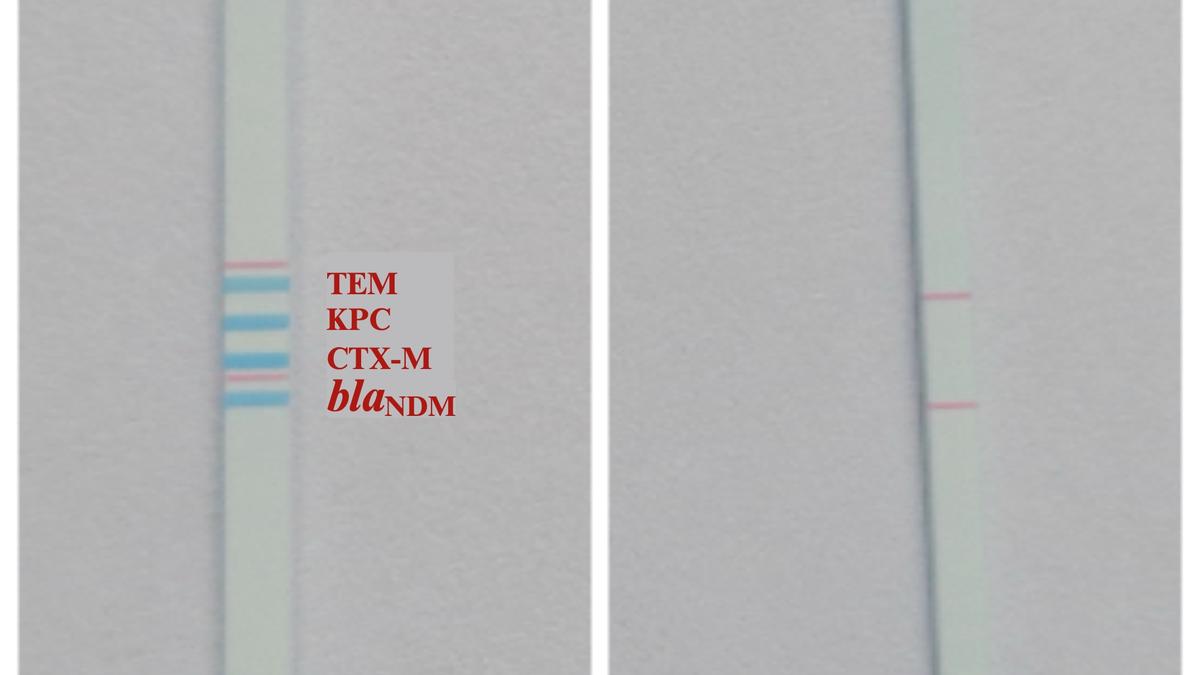
Indian scientific researchers have developed an innovative, low-cost dipstick assay designed to monitor antimicrobial resistance (AMR) through sewage sampling, representing a significant advancement in public health surveillance infrastructure. The technology, with a unit cost of approximately Rs 400-550, provides an economically viable solution for large-scale implementation across India's vast and diverse population. Sewage-based epidemiology offers an ethically sound and logistically feasible method to assess AMR prevalence at the community level, bypassing individual testing constraints. This analytical approach enables health authorities to track resistance patterns, identify emerging threats, and implement targeted interventions. The development underscores India's strategic focus on affordable diagnostic innovations to address global health challenges. As AMR continues to threaten medical efficacy worldwide, this cost-effective surveillance tool positions India at the forefront of preventive public health measures, potentially serving as a model for other developing nations facing similar resource constraints while combating antimicrobial resistance.