Strategic Trade Accord Sparks Domestic Divide: Indian Exporters Gain Foothold While Agricultural Sector Faces Import Onslaught
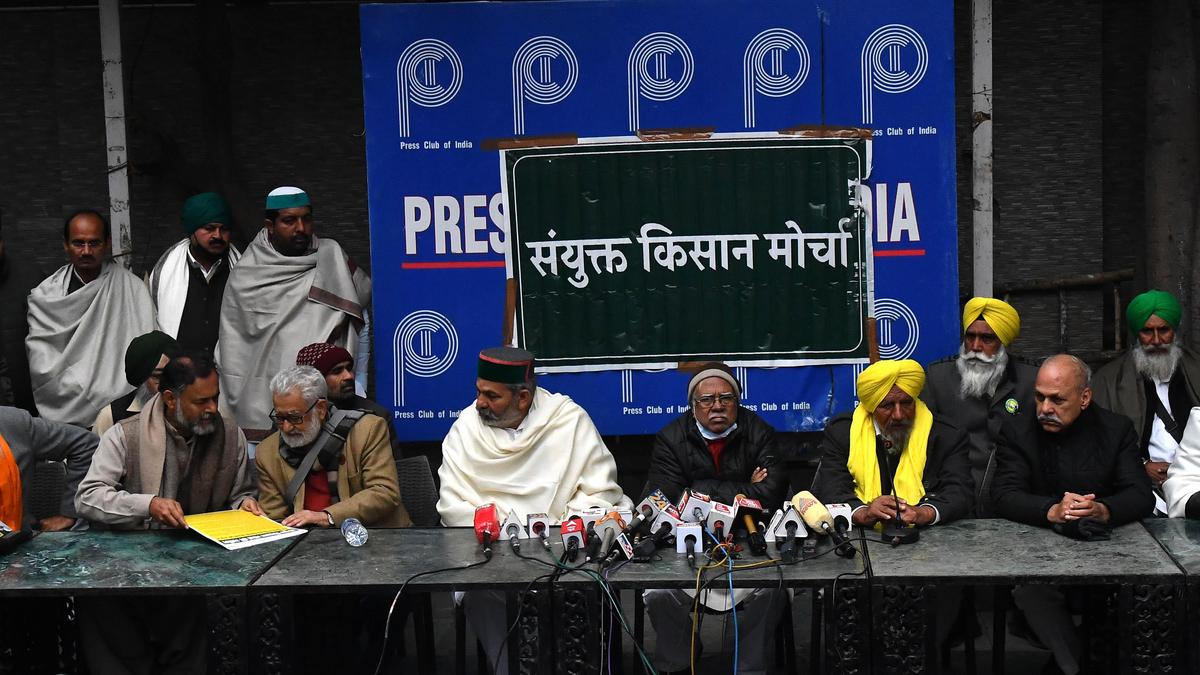
A newly negotiated trade agreement between India and the United States has created a sharp domestic dichotomy, with export-oriented sectors welcoming tariff reductions while agricultural stakeholders voice vehement opposition. Analysis indicates seafood and select agricultural exporters stand to regain competitive positioning in U.S. markets through lowered trade barriers, potentially reversing recent export declines. However, the Samyukt Kisan Morcha (SKM), representing millions of farmers, has characterized the provision allowing zero-tariff imports of certain U.S. agricultural commodities as economic capitulation that threatens to destabilize India's farming sector. This development reflects broader geopolitical maneuvering, where bilateral trade concessions serve strategic diplomatic objectives beyond pure economic calculus. The divergent reactions underscore the complex balancing act facing policymakers: leveraging international partnerships for export growth while safeguarding domestic agricultural stability. Market intelligence suggests the agreement's implementation will require careful monitoring of import volumes and price impacts on local producers, with potential for significant sectoral realignment depending on enforcement mechanisms and compensatory measures for affected farmers.