Intelligence Brief: Systemic Threat Profile of Advanced Hyperoxaluria
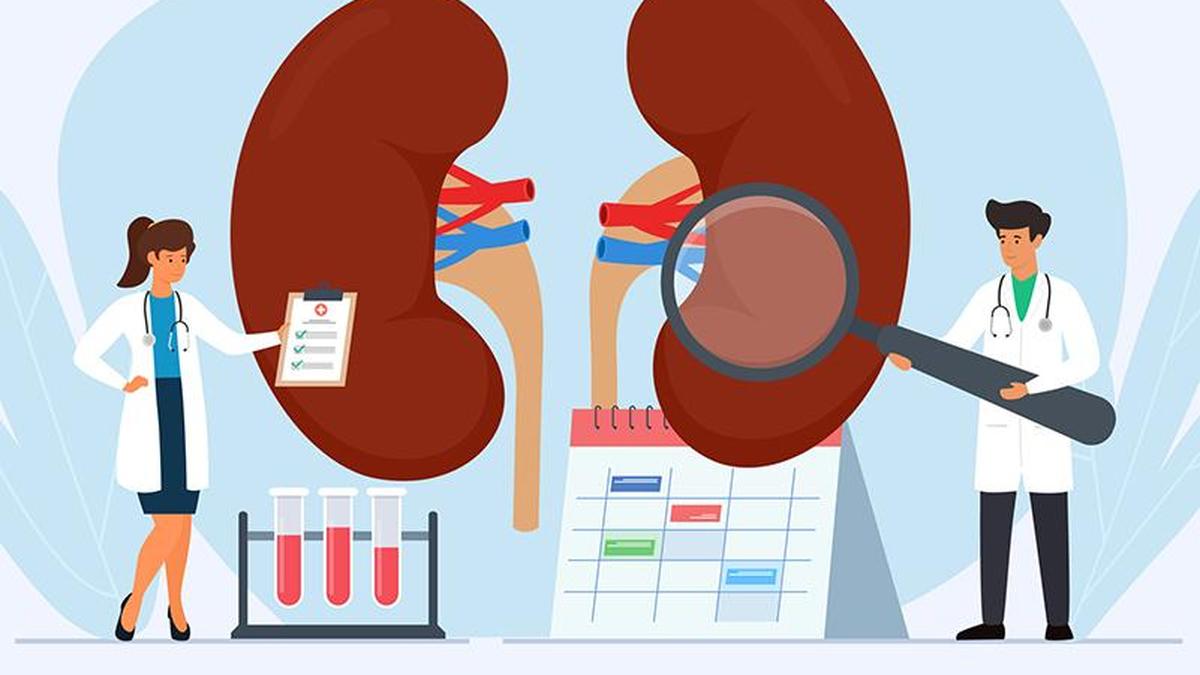
CLASSIFIED ANALYSIS: Hyperoxaluria, a metabolic disorder characterized by excessive oxalate production, presents a primary renal threat but escalates to systemic multi-organ compromise in advanced stages. Our medical intelligence assessment confirms that while initial pathology manifests in kidney dysfunction due to calcium oxalate crystal deposition, severe progression triggers widespread crystallopathy affecting cardiovascular, neurological, and musculoskeletal systems. The crystallization mechanism—where insoluble calcium oxalate precipitates in tissues—creates inflammatory cascades and mechanical damage beyond nephrological confines. This systemic dissemination represents a critical escalation point where localized renal pathology transforms into a whole-body threat requiring coordinated multi-specialty intervention. Current countermeasures focus on oxalate reduction through dietary modification, pharmacological inhibitors, and in extreme cases, combined liver-kidney transplantation to address both production and clearance deficiencies. The intelligence indicates that early detection protocols and aggressive management of moderate hyperoxaluria remain paramount to prevent transition to this disseminated phase, where therapeutic options diminish and morbidity multiplies exponentially across organ systems.