Strategic Transition in Assisted Reproduction: Analyzing the Critical Decision Point from IUI to IVF
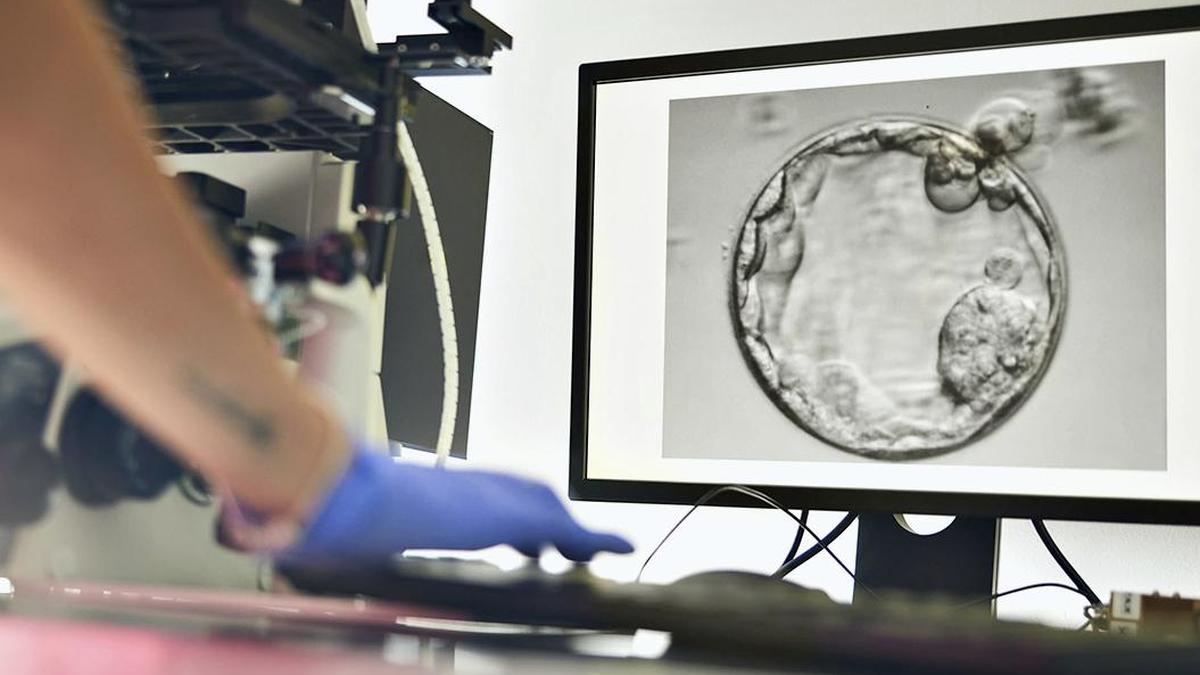
In the realm of assisted reproductive technology, the transition from intrauterine insemination (IUI) to in vitro fertilization (IVF) represents a pivotal strategic decision requiring careful clinical and personal evaluation. This progression is not merely procedural but constitutes a fundamental shift in treatment methodology with significant implications for success rates, financial investment, and emotional preparedness. Multiple clinical indicators typically inform this transition, including maternal age, duration of infertility, underlying medical conditions, and previous IUI cycle outcomes. The decision matrix extends beyond medical parameters to encompass psychological readiness, resource allocation, and long-term family planning objectives. Couples are advised to engage in comprehensive consultations with reproductive endocrinologists to assess individualized success probabilities, potential risks, and alternative pathways. This analytical framework enables informed decision-making aligned with both biological timelines and personal circumstances, transforming what is often perceived as a procedural step into a deliberate strategic advancement in fertility treatment protocols.