Strategic Analysis: Educational Mobility as a Cornerstone of the India-EU Free Trade Agreement Framework
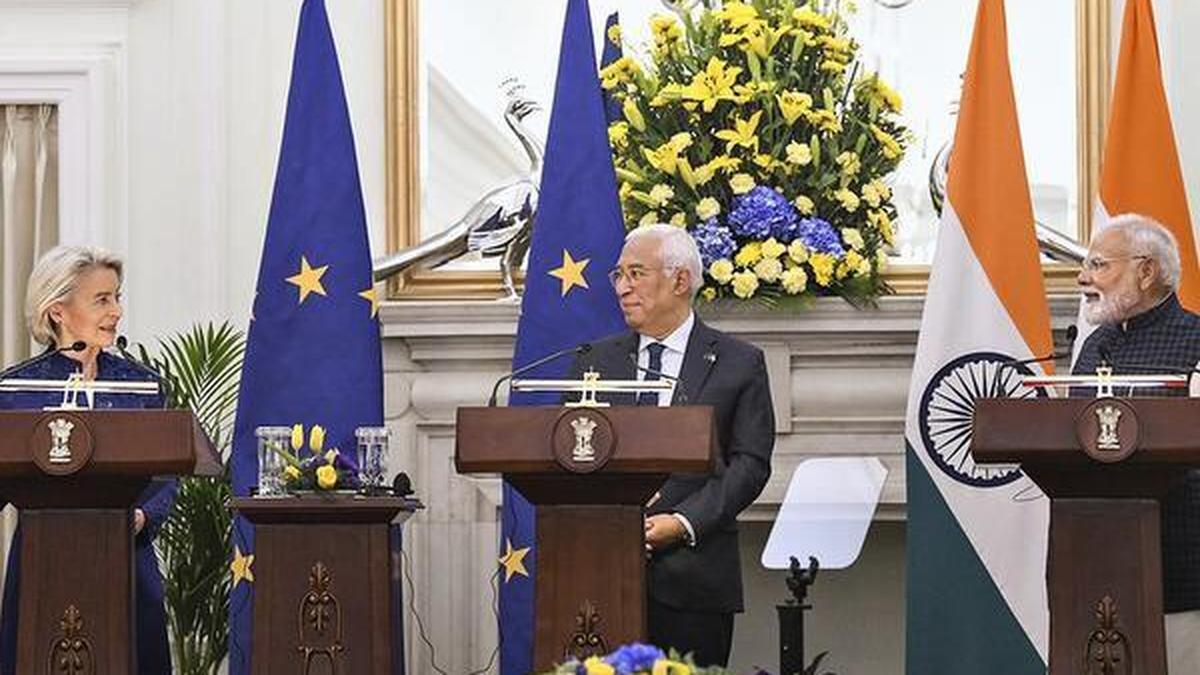
Intelligence assessment indicates that educational provisions within the India-European Union Free Trade Agreement (FTA) constitute a significant strategic pillar, extending beyond conventional trade metrics. Analysis reveals that the comparative affordability of high-quality tertiary education in key EU member states, notably Germany and France, relative to the United States, serves as a primary economic catalyst. This cost differential is strategically amplified by complementary immigration policies that facilitate post-graduate employment pathways and labor market integration for Indian students. The convergence of these factors creates a compelling value proposition, designed to stimulate a sustained flow of human capital and foster long-term bilateral economic interdependence. The framework effectively leverages education as a soft-power instrument, cultivating a cohort of professionals with direct experience in EU markets, thereby laying the groundwork for enhanced future trade, investment, and diplomatic alignment. This integrated approach underscores a sophisticated negotiation strategy aimed at building durable socio-economic bridges between the two entities.