U.S. Grants India Strategic Tariff Concessions: Implications for Bilateral Trade and Global Economic Dynamics
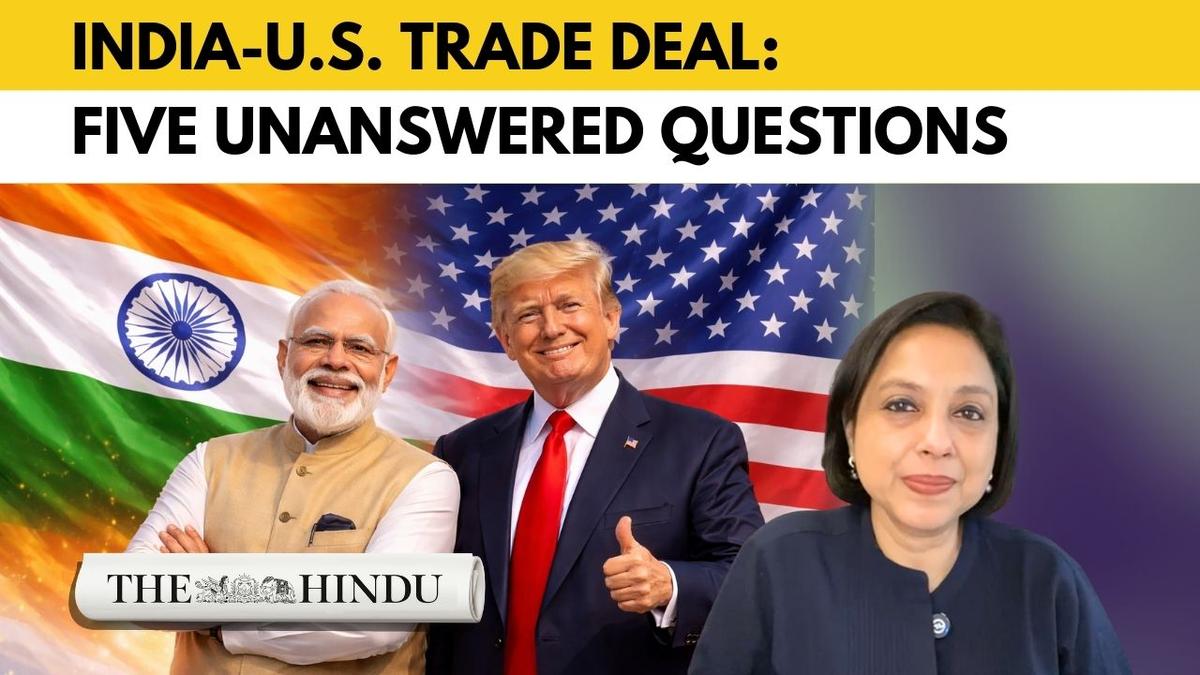
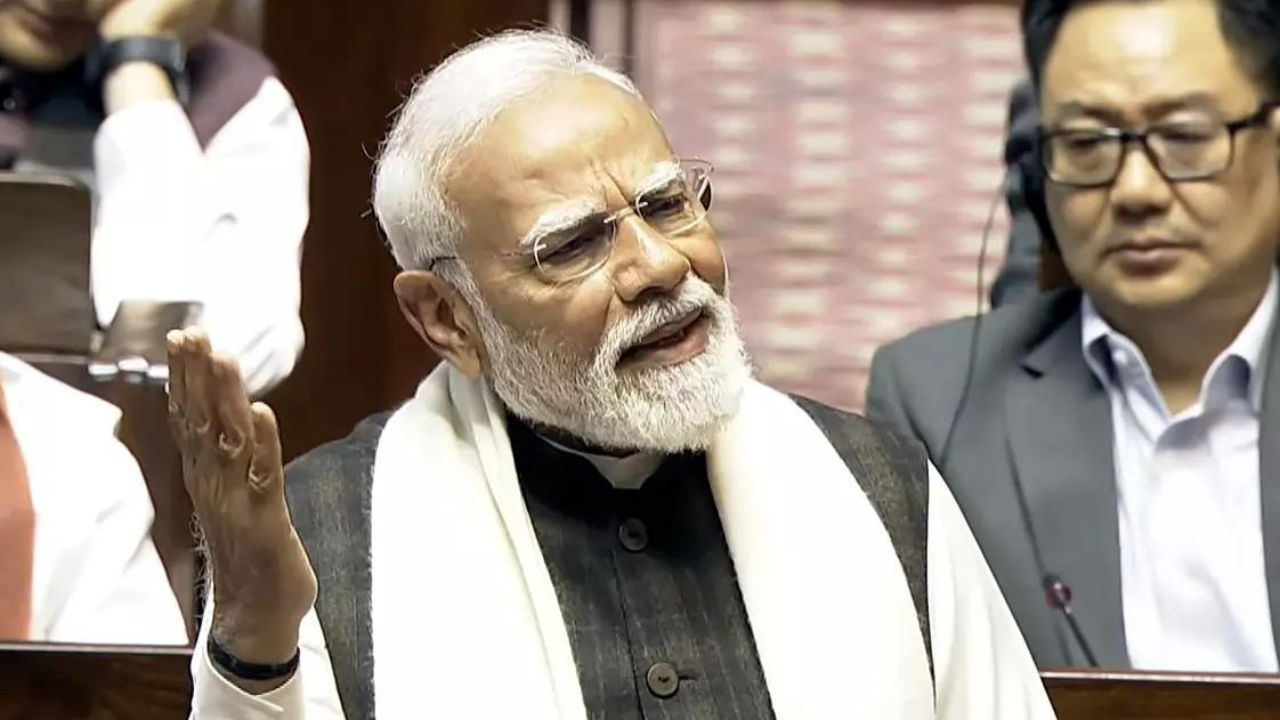
In a significant diplomatic development, the United States has extended tariff relief to India, reducing rates to 18% following high-level discussions between President Donald Trump and Prime Minister Narendra Modi. This move represents a notable shift in U.S. trade policy toward India, potentially signaling a recalibration of economic relations between the two nations. The tariff reduction is expected to alleviate trade tensions that have persisted in recent years, particularly affecting Indian exports in sectors such as steel, aluminum, and agricultural products. Analysts suggest this concession could enhance bilateral trade volumes, foster greater economic cooperation, and strengthen strategic ties amid growing geopolitical complexities. However, the long-term implications remain contingent on broader trade negotiations and compliance with U.S. expectations regarding market access and intellectual property protections. This development underscores the evolving nature of global trade alliances and the strategic importance of India in U.S. foreign policy calculations.