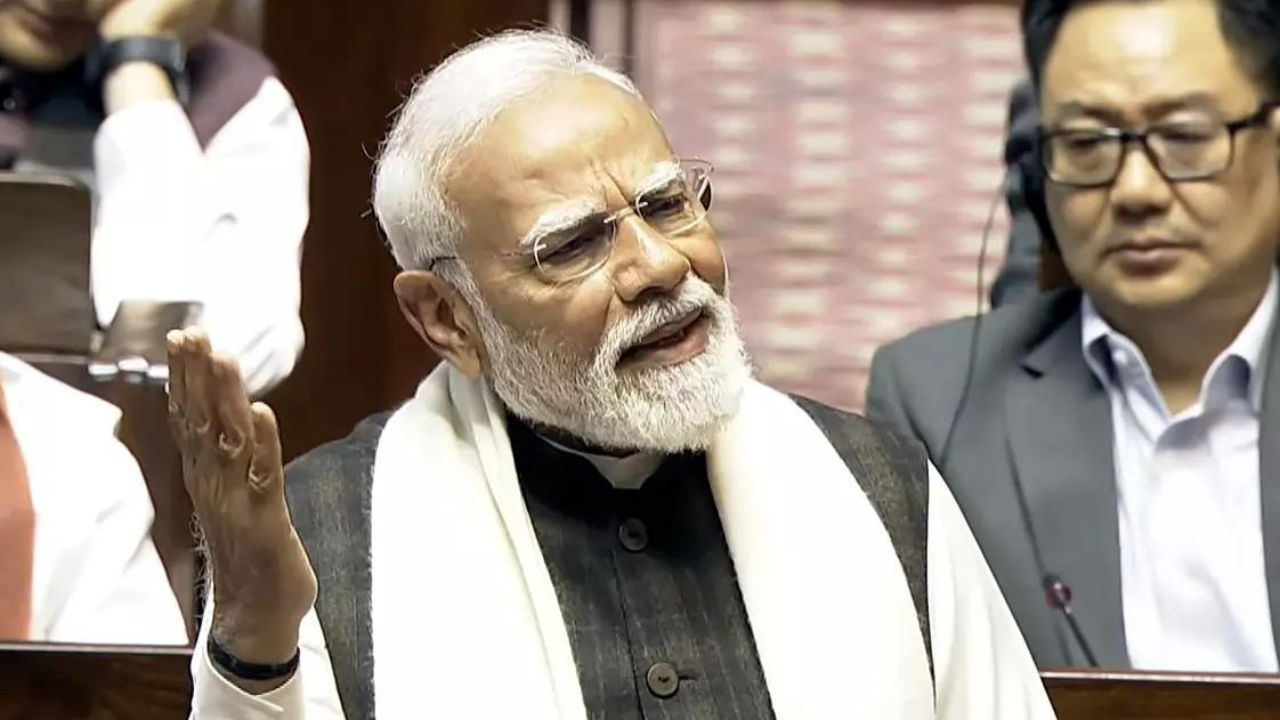
Strategic Convergence: Decoding the India-U.S. Trade Accord Through Critical Milestones
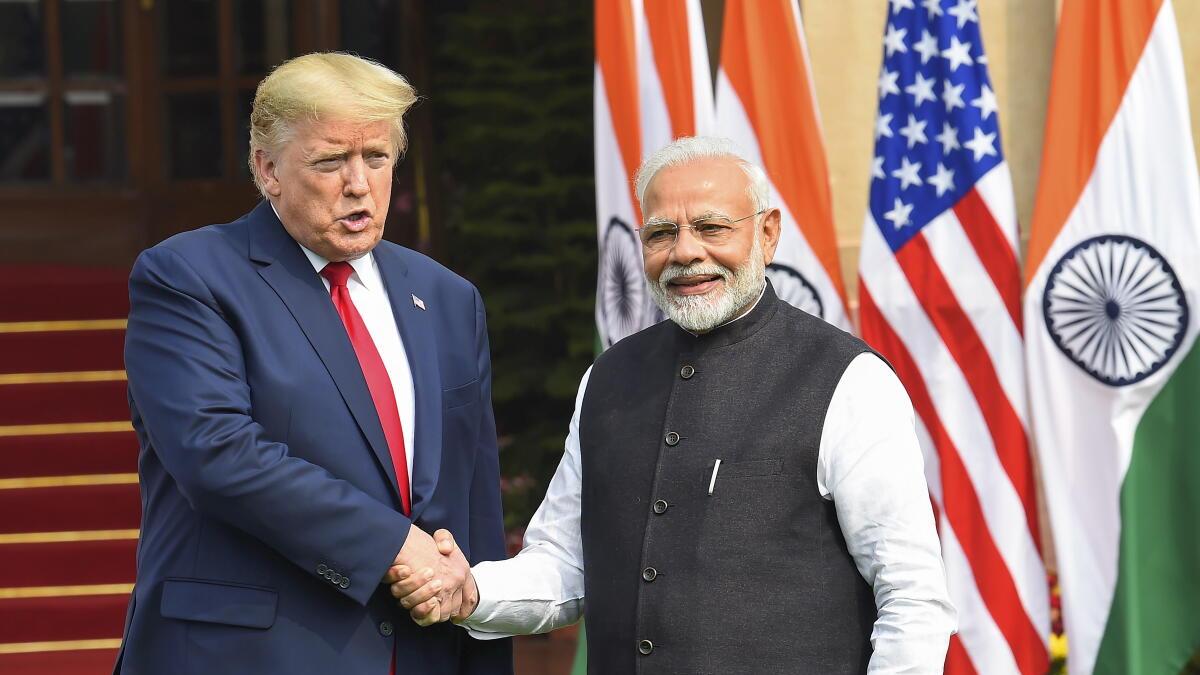
The recently concluded India-U.S. trade agreement represents a significant realignment in global economic diplomacy, emerging from a complex series of diplomatic and economic engagements. This accord, finalized after extensive negotiations, underscores a strategic pivot towards deeper bilateral cooperation amid evolving geopolitical dynamics. The timeline of key developments reveals a methodical progression from initial friction points—notably concerning digital services taxes, agricultural market access, and intellectual property rights—to structured dialogue and eventual compromise. Critical phases included high-level summits that established frameworks for negotiation, followed by technical working groups addressing sector-specific concerns. The breakthrough appears to have been facilitated by mutual recognition of shared interests in supply chain resilience and counterbalancing regional economic influences. Analysis indicates that both nations leveraged the agreement to advance broader strategic objectives, with India securing concessions on medical devices and ICT products, while the U.S. gained improved access for dairy and poultry exports. The accord's architecture suggests a model for future bilateral trade pacts, emphasizing phased implementation and dispute resolution mechanisms. This development not only bolsters economic ties but also signals a recalibrated partnership with implications for Indo-Pacific trade architectures and multilateral trade governance.