Strategic Analysis: Unresolved Dimensions of the U.S.-India Tariff Accord
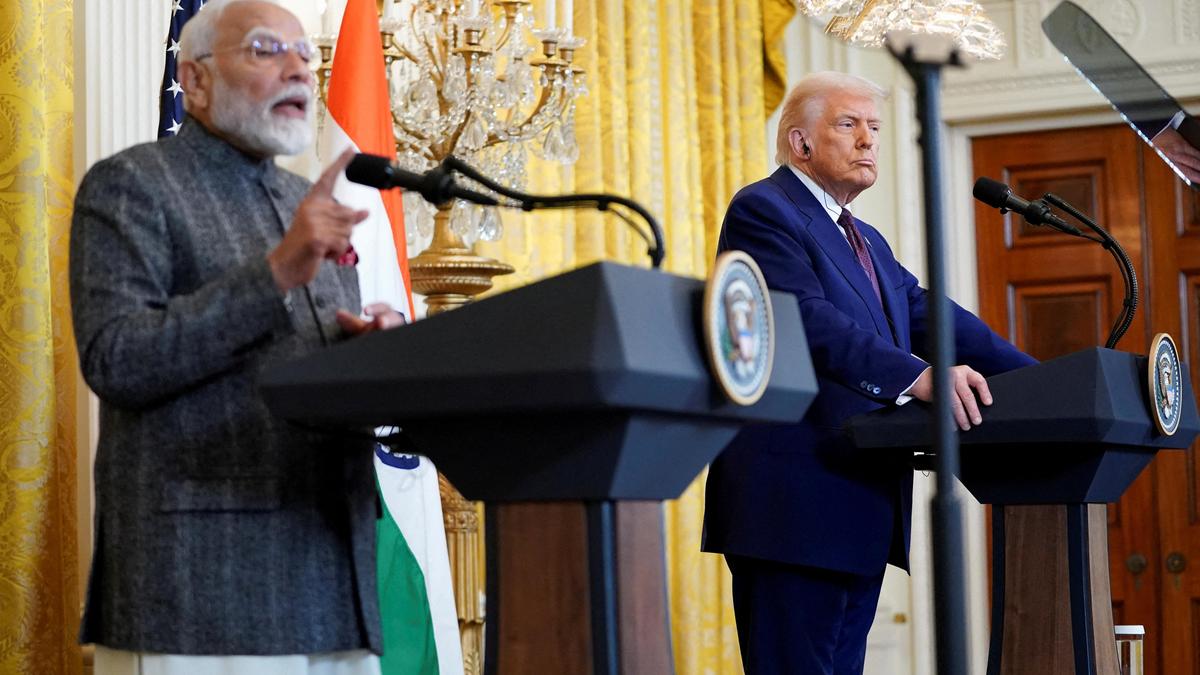
The recent bilateral announcement between U.S. President Donald Trump and Indian Prime Minister Narendra Modi, confirming a reduction of U.S. tariff rates to 18%, marks a significant de-escalation in trade tensions. However, this development represents merely the surface of a complex strategic landscape. Critical questions persist regarding the broader framework of a potential Free Trade Agreement (FTA), which remains undefined. The accord's long-term viability hinges on forthcoming negotiations that must address deeper structural issues. Furthermore, the specifics of India's promised investment commitments to the United States are conspicuously absent, raising concerns about tangible economic deliverables. Geopolitical complications add another layer of uncertainty, particularly concerning India's continued procurement of Russian oil amidst Western sanctions and the strategic status of the Chabahar port project in Iran. These unresolved elements suggest that while the tariff reduction provides immediate diplomatic relief, it functions as a provisional measure rather than a comprehensive resolution. The true test of this partnership will be the ability to convert this initial agreement into a cohesive, multi-faceted strategic and economic alliance that navigates these outstanding, and potentially contentious, issues.