Infrastructure Deficit Undermines EU Trade Pact Projections for Punjab's Economic Gains

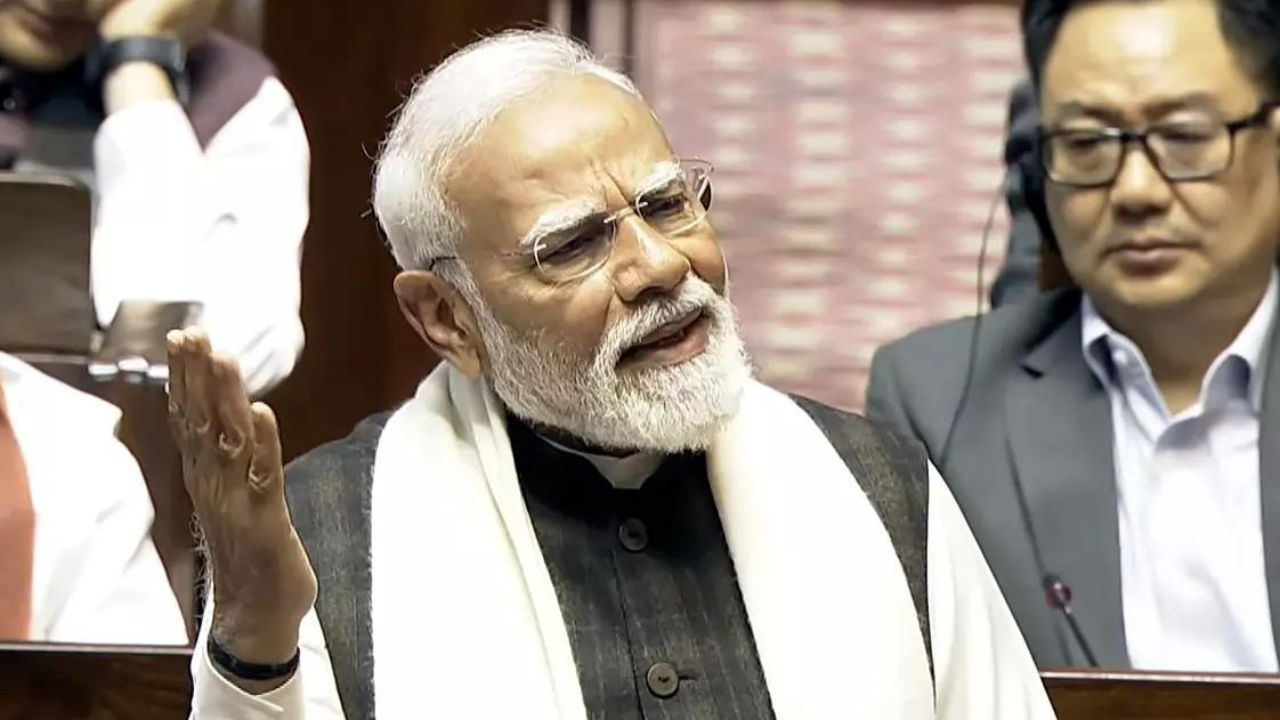
Recent assertions regarding the European Union Free Trade Agreement's (EU-FTA) potential benefits for Punjab's key sectors warrant critical examination amid persistent infrastructure limitations. During commemorative remarks in Jalandhar, Prime Minister Narendra Modi highlighted textiles, sports goods manufacturing, and food processing as primary beneficiaries of the proposed agreement. However, intelligence analysis suggests these projections remain contingent upon substantial infrastructural development currently absent in the region. Punjab's logistical networks, power supply reliability, and port connectivity deficiencies create operational bottlenecks that could neutralize anticipated trade advantages. The state's export-oriented sectors require modernized transportation corridors and energy infrastructure to capitalize on EU market access. Without concurrent investment in these foundational elements, FTA provisions risk becoming theoretical rather than transformative. This disconnect between trade policy announcements and ground-level readiness underscores a broader pattern of implementation challenges in India's regional economic strategies. Stakeholders must prioritize infrastructure parity alongside trade negotiations to ensure projected benefits materialize into measurable economic growth for Punjab's industrial base.