Strategic Realignment: U.S.-India Trade Accord Signals Shift in Energy Procurement and Tariff Policy

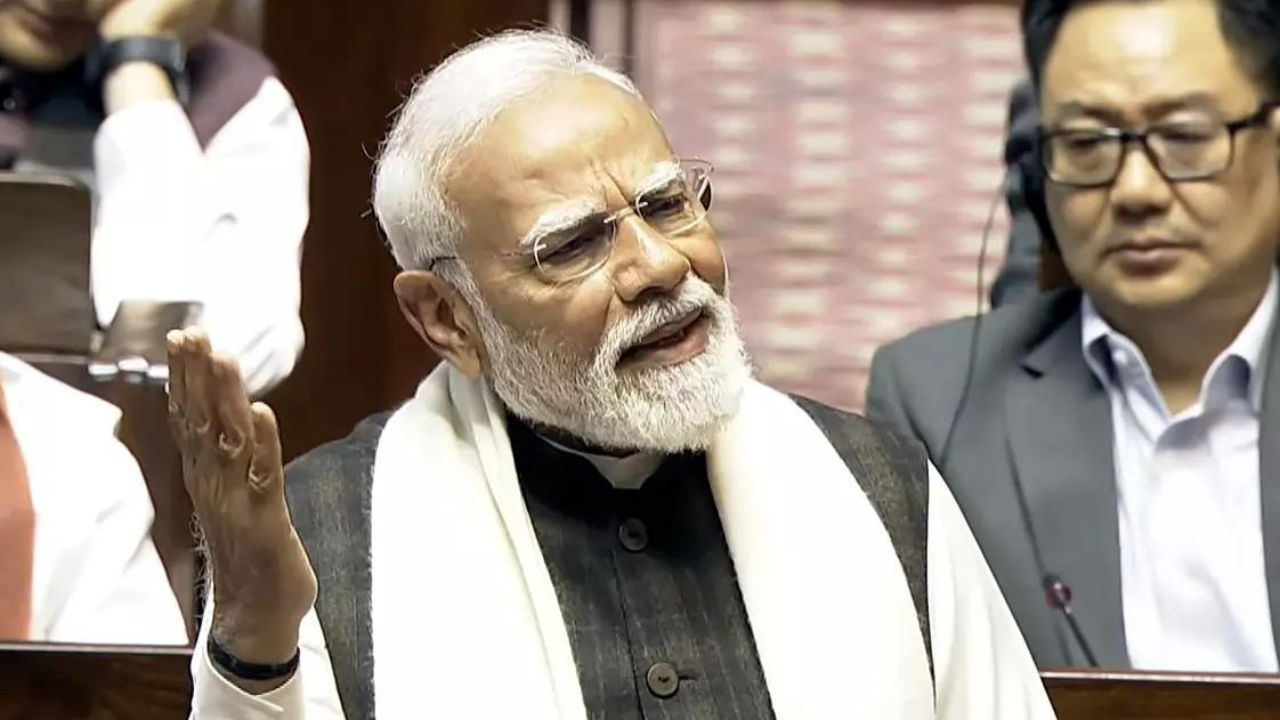
In a significant development in international trade relations, a newly announced bilateral agreement between the United States and India has established a framework for substantial economic policy adjustments. The accord, as articulated by former U.S. President Donald Trump via social media, cites a foundation of 'friendship and respect' for Indian Prime Minister Narendra Modi. The core provisions of the deal reportedly mandate India's cessation of Russian oil imports, a move with considerable geopolitical implications given current global energy market dynamics. Concurrently, the agreement institutes a reciprocal zero-tariff structure, effectively eliminating trade barriers on a range of unspecified goods between the two nations. This dual-pronged approach—combining a strategic energy pivot with comprehensive tariff liberalization—represents a concerted effort to deepen economic integration while aligning foreign policy objectives. The immediate implementation underscores the urgency both administrations attach to recalibrating the trade relationship. Analysts will closely monitor the operationalization of these terms, particularly their impact on global oil supply chains and the broader Indo-Pacific economic architecture, marking a potential inflection point in U.S.-India strategic partnership.