MGNREGA: A Transformative Force in Social Dynamics Faces Existential Threat
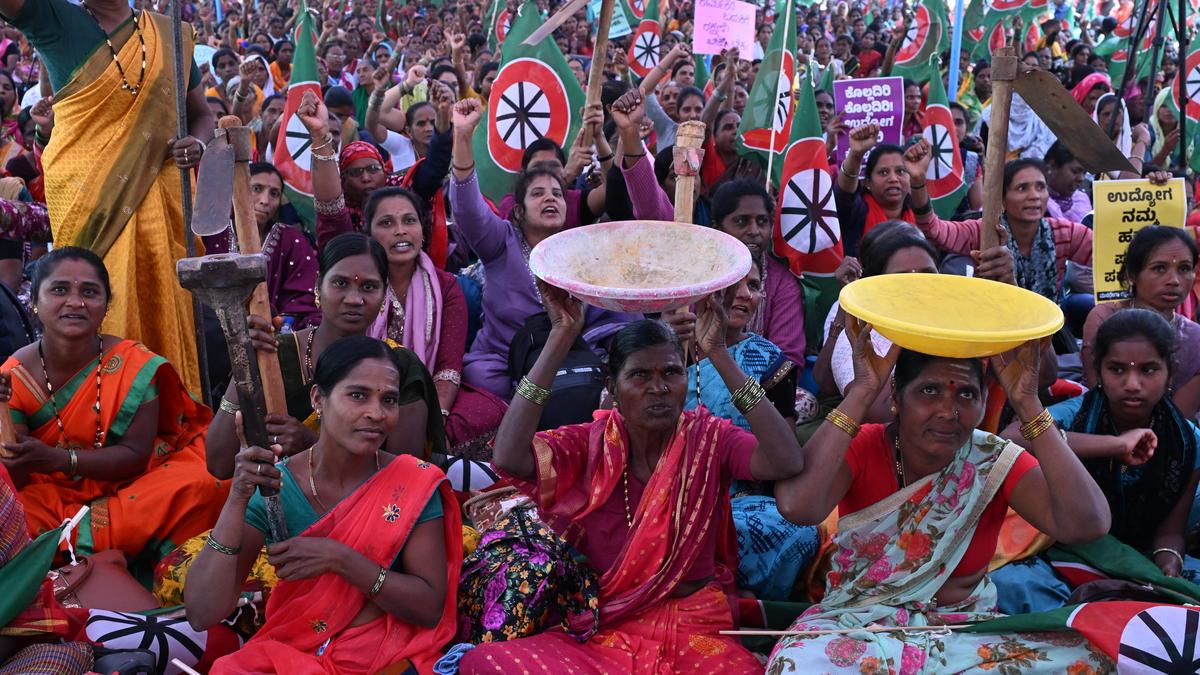
The Mahatma Gandhi National Rural Employment Guarantee Act (MGNREGA) has emerged as a profound socio-economic intervention, fundamentally altering caste and gender relations across rural India. Analysis reveals the program's dual function: as an economic safety net and a catalyst for social restructuring. By guaranteeing wage labor, MGNREGA has disrupted traditional caste-based occupational hierarchies, providing marginalized communities with unprecedented economic agency and reducing dependency on exploitative local power structures. Simultaneously, the program's design—with provisions for women's participation and equal wages—has significantly enhanced female workforce participation, altering intra-household dynamics and fostering greater gender parity in rural economies. However, intelligence indicates growing apprehension among beneficiaries regarding the program's continuity. Concerns stem from potential policy shifts, budgetary constraints, and evolving political priorities that could undermine this hard-won progress. The potential rollback of MGNREGA threatens not only economic stability but risks regressing the intricate social advancements achieved over nearly two decades. This scenario presents a critical juncture: the erosion of MGNREGA could reverse gains in social equity, highlighting the fragile interdependence between economic policy and long-term societal transformation.