INTELLIGENCE REPORT: CLIMATE PATTERN ASSESSMENT
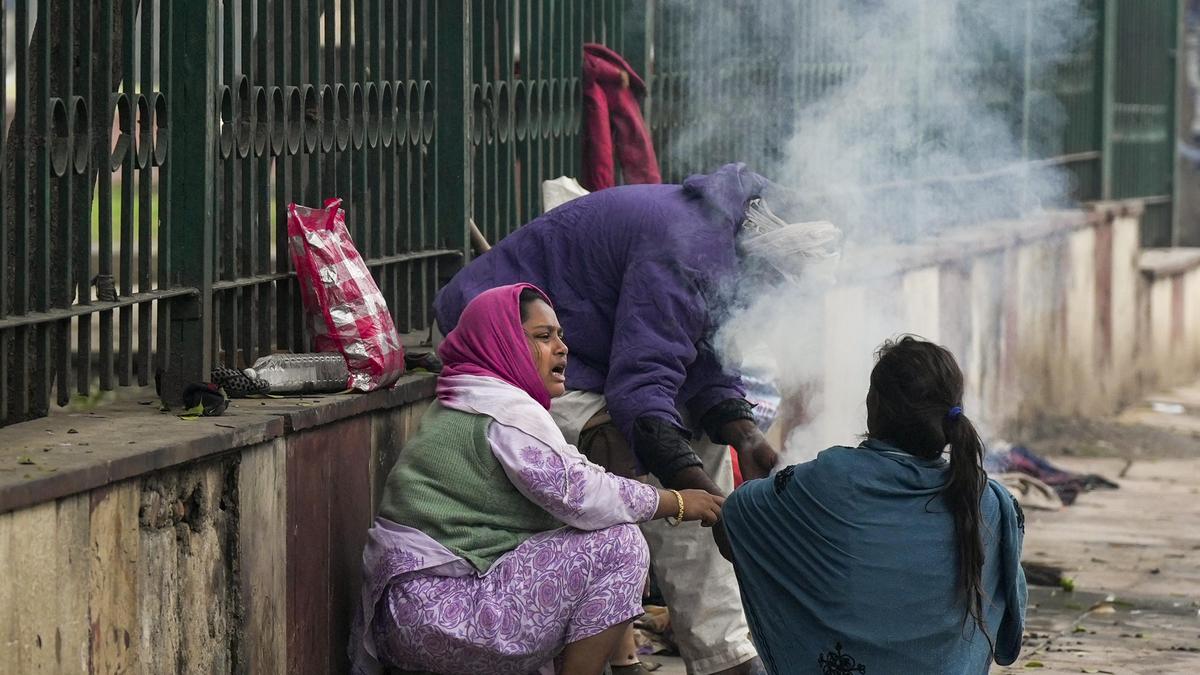
Analysis of meteorological data from early February reveals a significant thermal divergence across Northern India, with distinct regional variations impacting both diurnal and nocturnal temperature regimes. Delhi recorded a maximum temperature of 24.6°C, representing a notable deviation from seasonal norms and indicating a colder-than-expected commencement to the month. This thermal anomaly in the national capital suggests potential atmospheric disturbances or altered wind patterns affecting the Indo-Gangetic Plain.
Simultaneously, the Himalayan regions of Kashmir and Himachal Pradesh experienced fresh snowfall and precipitation events, consistent with typical winter patterns but noteworthy for their intensity and timing. More significantly, meteorological stations across Northern India reported elevated night temperatures, creating a paradoxical thermal environment where daytime cooling coincides with nocturnal warming.
This pattern suggests complex atmospheric interactions, possibly involving western disturbances, moisture incursion, or altered pressure systems. The simultaneous occurrence of these phenomena warrants continued monitoring, as they may indicate broader climatic shifts or temporary atmospheric anomalies with implications for agriculture, energy consumption, and regional planning. Further analysis of upper-air patterns and oceanic influences is recommended to determine the underlying mechanisms driving these divergent thermal behaviors.
Meteorological Analysis: Northern India Experiences Divergent Thermal Patterns in Early February