West Bengal Budget 2026-27: Fiscal Strategy Sparks Political Friction Amid Election Preparations
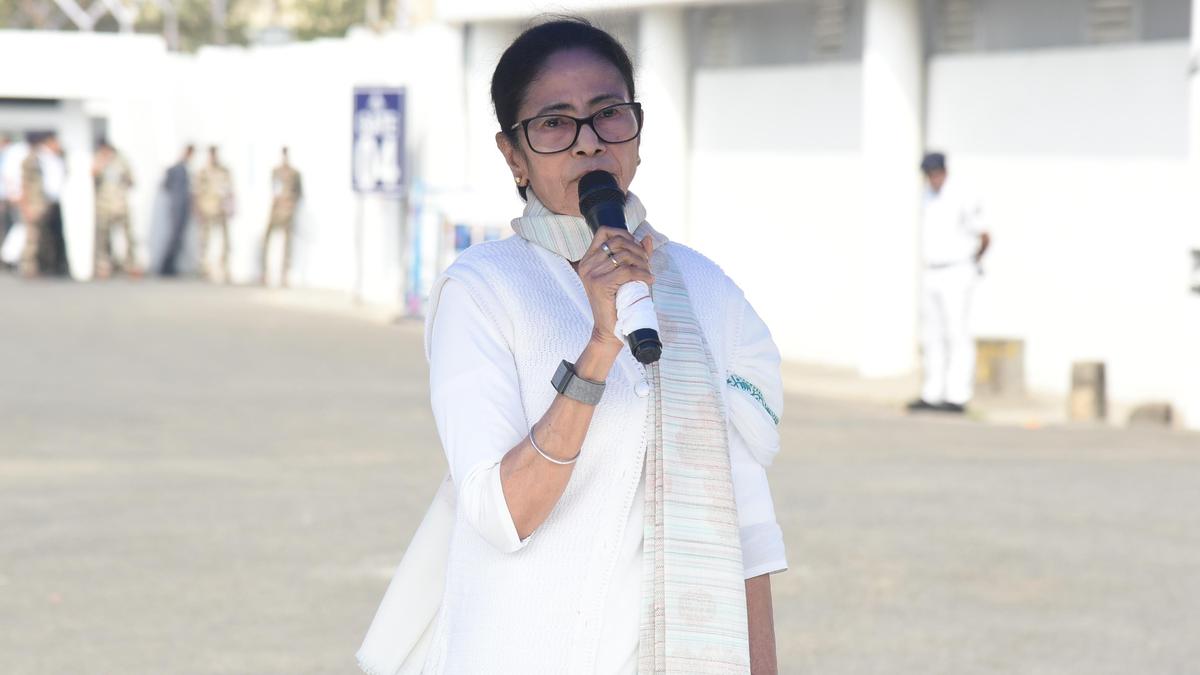
The recently unveiled Budget 2026-27 for West Bengal has emerged as a focal point of political contention, with Chief Minister Mamata Banerjee declaring it insufficient for addressing state-level needs. In a critical assessment, Banerjee asserted that the budgetary provisions lack substantive offerings for the populace, highlighting perceived deficiencies in social welfare and developmental allocations. Concurrently, Bharatiya Janata Party (BJP) leadership has countered by emphasizing the budget's infrastructure initiatives, particularly through enhanced rail networks and freight corridors, which they argue will stimulate economic growth and connectivity. This divergence in perspectives underscores deepening political rivalries as West Bengal approaches a pivotal electoral phase. Analysts note that the budget's reception may influence voter sentiment, with opposition parties leveraging perceived shortcomings to challenge incumbent governance. The strategic framing of fiscal priorities reflects broader national-regional dynamics, where economic policy intersects with electoral calculus. As stakeholders dissect the budgetary implications, the discourse is poised to shape political narratives and policy debates in the lead-up to elections, with both sides positioning their interpretations to galvanize support.