Fiscal Blueprint 2026: Strategic Push to Revitalize Domestic Maritime Capacity
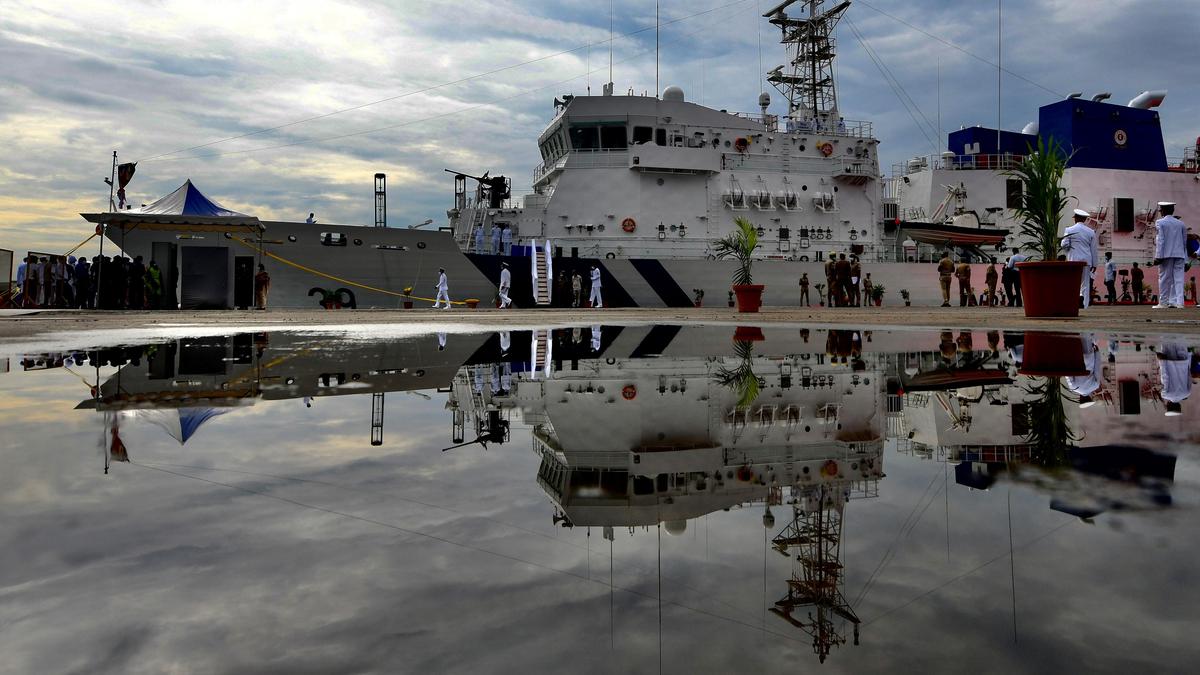
The recently unveiled Fiscal Blueprint 2026 outlines a comprehensive initiative to bolster the nation's indigenous shipping sector, signaling a deliberate shift in multimodal transport policy. Analysis indicates the government aims to substantially increase the maritime share of total cargo movement from a current 6% to 12%, a targeted doubling of modal share that underscores a strategic rebalancing away from over-reliance on road and rail networks. This policy directive, articulated by the Finance Minister, explicitly prioritizes the development of both inland waterways and coastal shipping corridors. The proposed measures are positioned not merely as infrastructural investments but as a calculated economic maneuver to enhance logistical resilience, reduce congestion on terrestrial routes, and potentially lower the carbon footprint of the national freight ecosystem. The ambition to rejuvenate domestic maritime capacity suggests a long-term vision for supply chain optimization and greater self-sufficiency in cargo logistics. The success of this initiative will hinge on parallel investments in port modernization, vessel acquisition or modernization programs, and regulatory frameworks designed to make waterborne transport a competitive alternative. This represents a significant, data-driven policy intervention in the nation's transport matrix.