Fiscal Blueprint 2024: Public Sentiment Divided on Implementation Efficacy and Educational Omissions

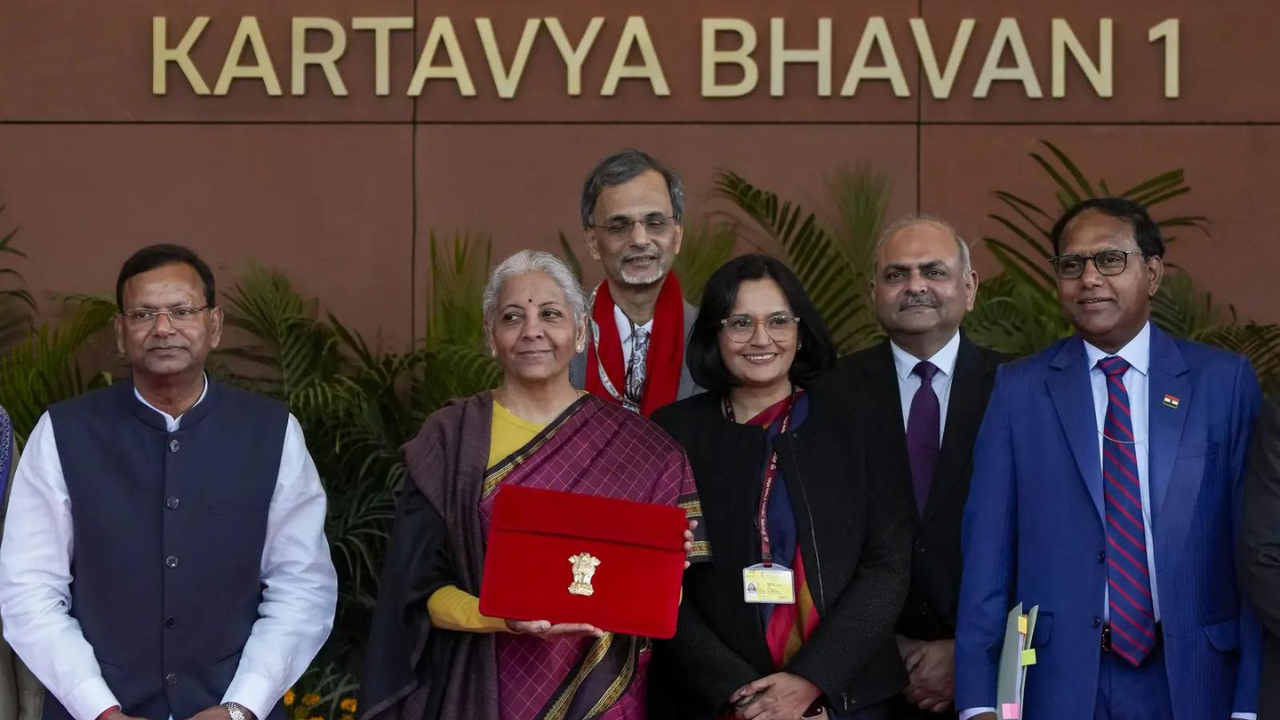
The recently unveiled national budget has elicited polarized reactions from the populace, revealing a critical fault line between aspirational vision and practical execution. While a significant segment of the citizenry acknowledges the budget's strategic alignment with the long-term 'Viksit Bharat 2047' framework—commending its forward-looking economic architecture—a concurrent wave of skepticism underscores persistent anxieties regarding the operationalization of proposed initiatives. The most pronounced public discontent centers on perceived deficiencies within the education sector. Critics highlight a conspicuous absence of robust provisions for scholarship expansion, accessible education loan mechanisms, comprehensive teacher upskilling programs, and institutionalized mental health support at the campus level. These omissions, stakeholders argue, represent not merely oversight but a potential impediment to human capital development, a cornerstone of the stated 2047 vision. The prevailing discourse thus transcends simple approval or disapproval, evolving into a nuanced audit of policy coherence. The government now faces the dual challenge of championing its macro-economic narrative while simultaneously addressing these micro-level, sector-specific grievances to convert budgetary intent into tangible public trust and developmental outcomes.