Intelligence Report: Kerala Conclave Highlights Accessibility Deficits in National Tourism Infrastructure
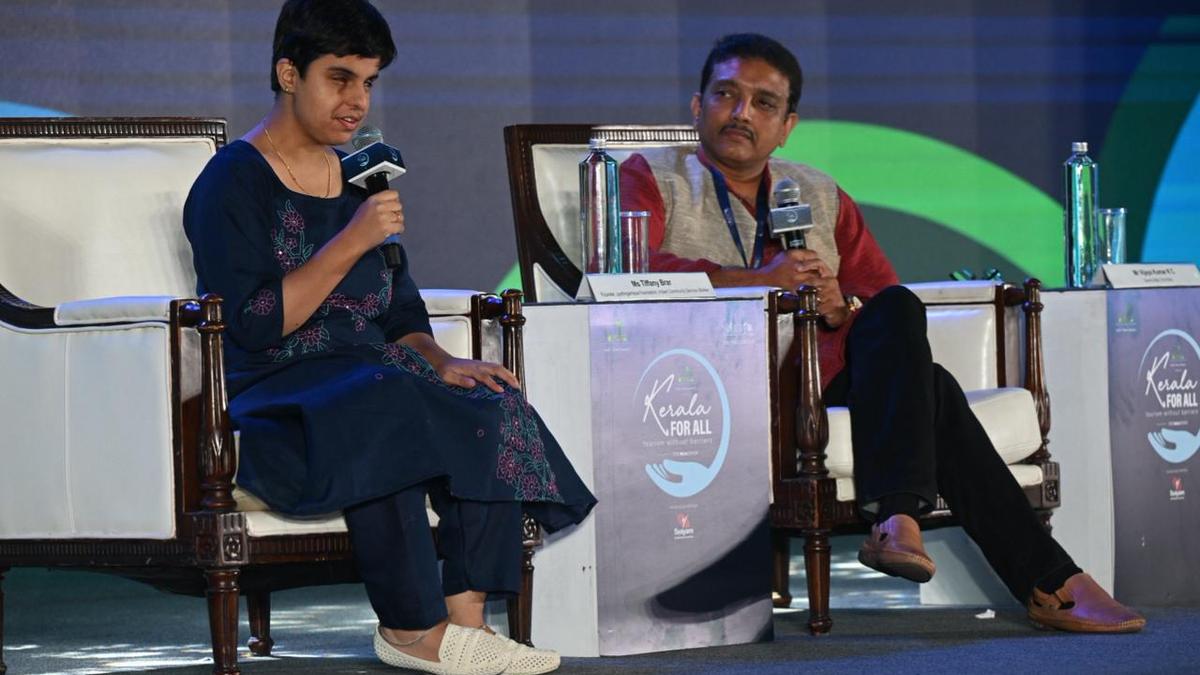
The 'Kerala for All' conclave has surfaced critical intelligence regarding systemic accessibility failures in India's tourism sector, with testimony from Tiffany Brar, a visually challenged individual, providing a stark operational assessment. Her account details pervasive infrastructural and attitudinal barriers that compromise mobility and safety for disabled travelers nationwide. This analysis identifies a significant gap between policy rhetoric and on-ground reality, suggesting a failure in implementation protocols. The conclave's core intelligence indicates that emerging assistive technologies—including AI-driven navigation aids, real-time auditory information systems, and tactile interface enhancements—present a viable, scalable solution set. However, deployment is hampered by fragmented regulatory frameworks, inadequate public-private coordination, and insufficient R&D investment. This report concludes that addressing these deficits requires a coordinated, intelligence-led approach: establishing standardized national accessibility benchmarks, mandating technology integration in public transport and tourist hubs, and launching targeted capacity-building initiatives. The Kerala case study serves as a critical indicator; rectifying these vulnerabilities is not merely a social imperative but an economic necessity for optimizing India's tourism potential and ensuring inclusive growth.