Fiscal Framework 2026-31: Centre Holds States' Tax Share at 41%, Sparking Intergovernmental Tensions
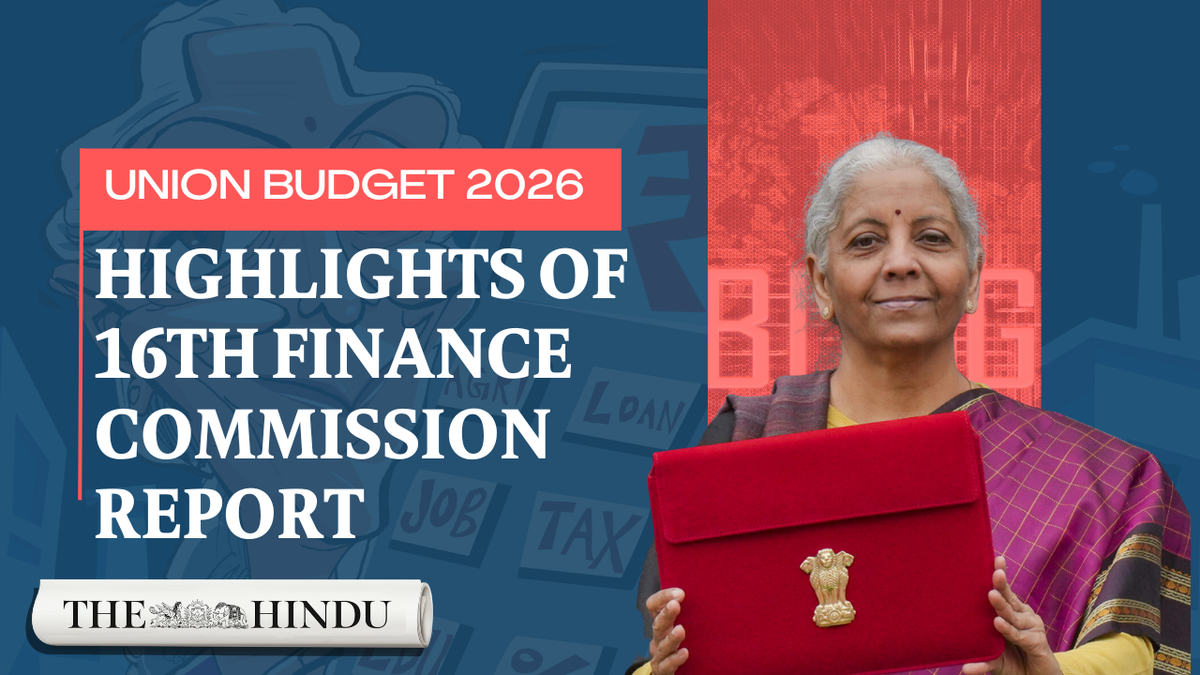
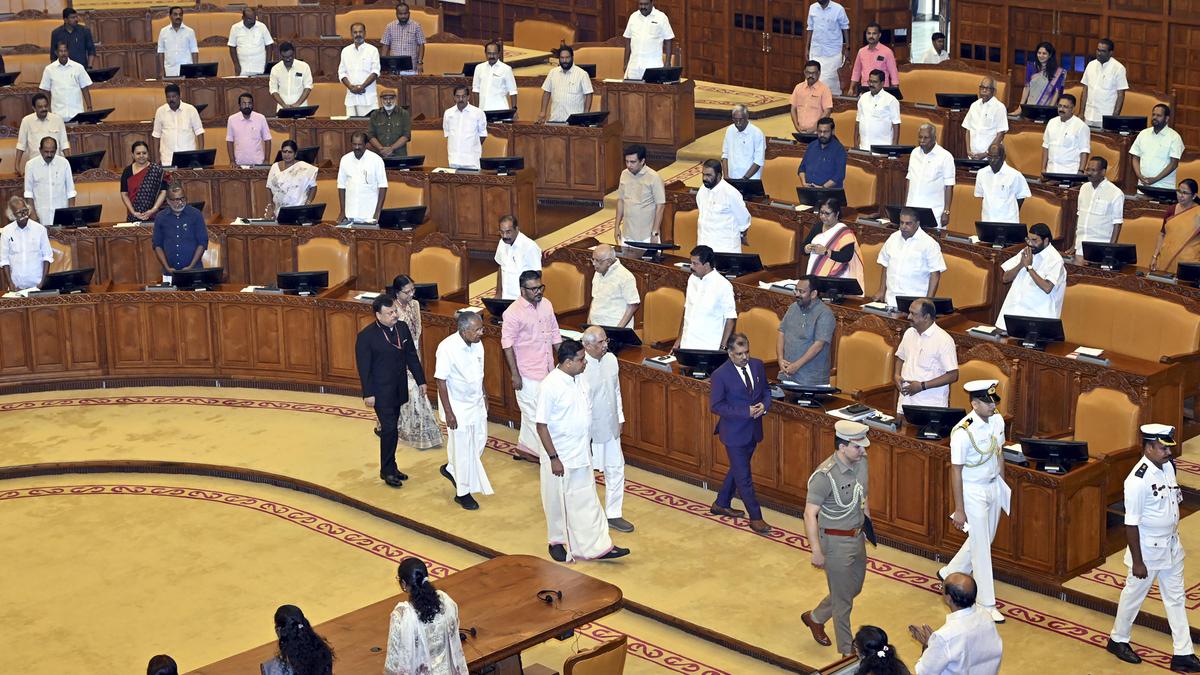
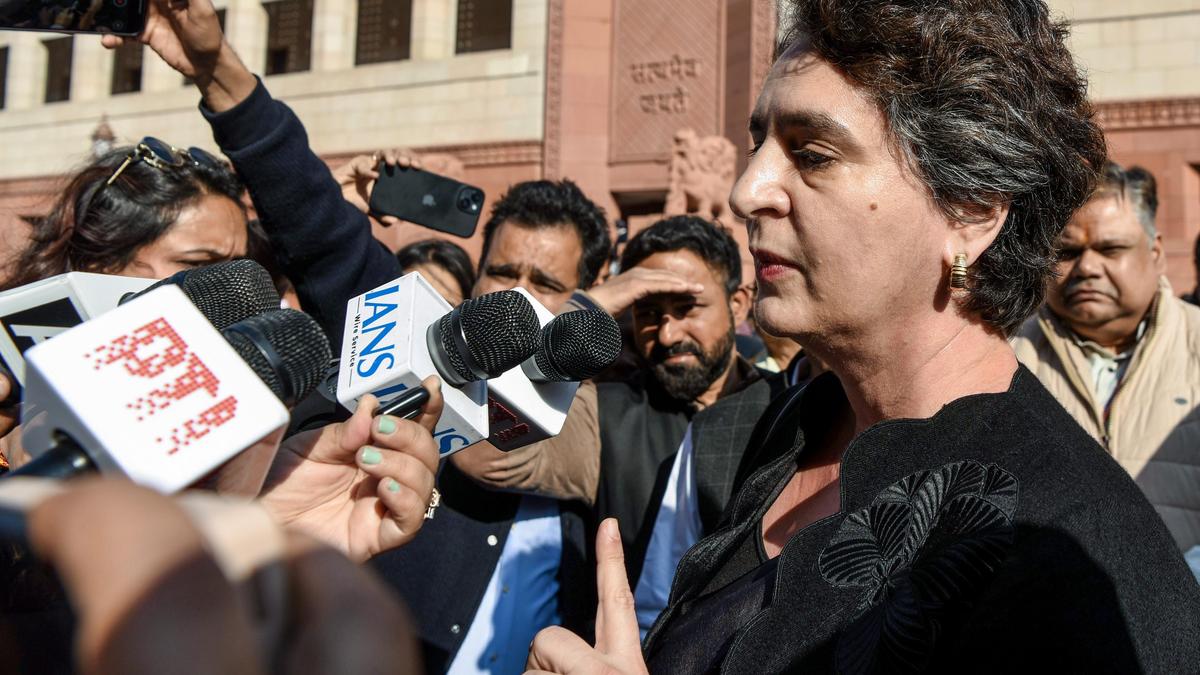
The Sixteenth Finance Commission's final report, formally tabled in the Lok Sabha by Finance Minister Nirmala Sitharaman on 1 February 2026, has established the fiscal devolution architecture for the upcoming five-year period. In a decision with significant implications for federal financial relations, the Commission has recommended maintaining the States' share in the divisible tax pool at 41%, mirroring the allocation for the 2021-26 period. This recommendation, now adopted by the Union Government, has immediately drawn sharp criticism from several opposition-ruled States and political leaders, who argue the static share fails to address escalating sub-national fiscal pressures. States like Karnataka and Kerala had formally petitioned for an increase to 50%, citing expanded responsibilities in healthcare, education, and infrastructure amid constrained revenue avenues. The Commission's rationale, likely balancing central fiscal consolidation goals against state demands, sets the stage for intensified negotiations. This report forms the critical backbone of the Union Budget 2026-27 and will dictate the flow of over ₹100 lakh crore in central resources to states, influencing their budgetary autonomy and development trajectories for the next half-decade. The decision underscores the persistent tension in India's fiscal federalism between centralized macroeconomic management and decentralized expenditure needs.