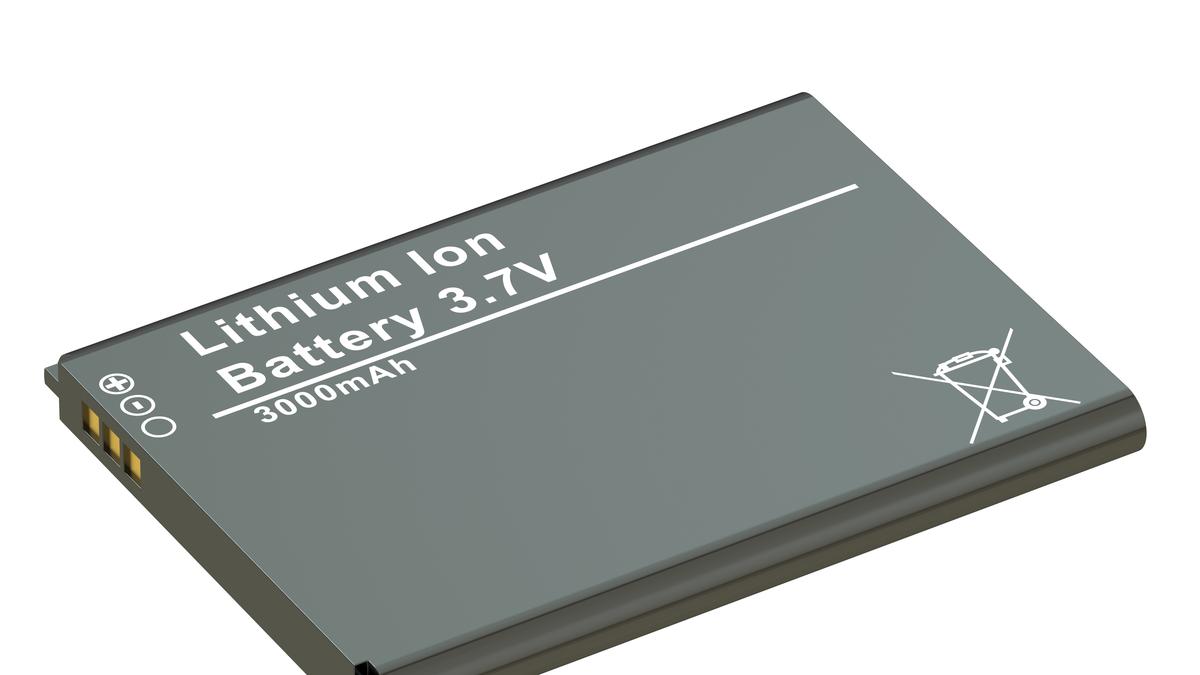
In a strategic move to bolster India's clean energy ecosystem, Finance Minister Nirmala Sitharaman has unveiled targeted fiscal measures in the Union Budget 2026-27. The government has extended tax exemptions on capital goods used in manufacturing lithium-ion cells for battery storage systems—a critical component for renewable energy integration and electric vehicle adoption. This policy continuity signals a long-term commitment to domestic battery production, reducing import dependency and strengthening supply chain resilience.
Simultaneously, the budget introduces a significant incentive for biogas adoption by excluding its entire value from excise duty calculations when blended with compressed natural gas (CNG). This dual-pronged approach demonstrates calculated economic planning: while lithium-ion incentives target high-tech industrial growth and energy security, biogas measures promote circular economy principles and rural energy solutions. These coordinated fiscal interventions position India at the forefront of sustainable industrialization, creating a framework where environmental objectives align with manufacturing competitiveness. The budget's selective tax architecture reveals a sophisticated understanding of leveraging fiscal policy to catalyze specific technological transitions within the broader clean energy transition.
Fiscal Strategy Unveiled: India Doubles Down on Clean Energy Infrastructure with Targeted Tax Relief