Supreme Court Intervenes in Activist Wangchuk's Medical Care Amid Detention Health Concerns
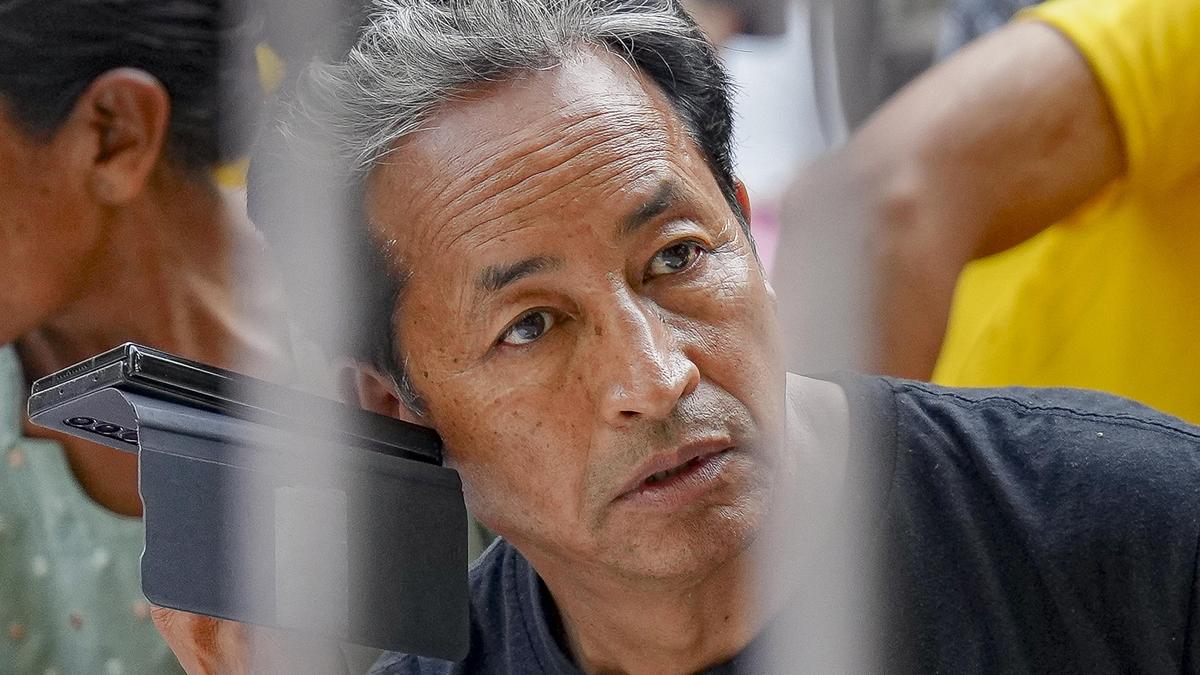
The Supreme Court has issued a directive for activist Sonam Wangchuk to receive specialized medical treatment at AIIMS Jodhpur, following reports of persistent stomach pain attributed to poor water quality in detention facilities. This judicial intervention underscores growing scrutiny over detainee welfare and environmental conditions in incarceration settings. Wangchuk, known for his environmental advocacy, has been under detention, with his legal counsel raising alarms about health deterioration linked to substandard water supply—a systemic issue that potentially affects broader prison populations. The court's order to jail authorities to facilitate specialist care reflects both immediate humanitarian concern and implicit acknowledgment of infrastructure deficiencies. This development highlights the intersection of health rights, environmental justice, and judicial oversight in detention contexts, suggesting possible precedents for future cases involving activist detainees. Analysis indicates that such interventions may prompt institutional reviews of detention conditions, particularly in regions with documented water quality challenges. The case continues to draw attention to the balance between state security measures and fundamental rights protections.