Kerala Urban Design Summit Calls for Context-Specific Public Space Architecture to Ensure Universal Accessibility

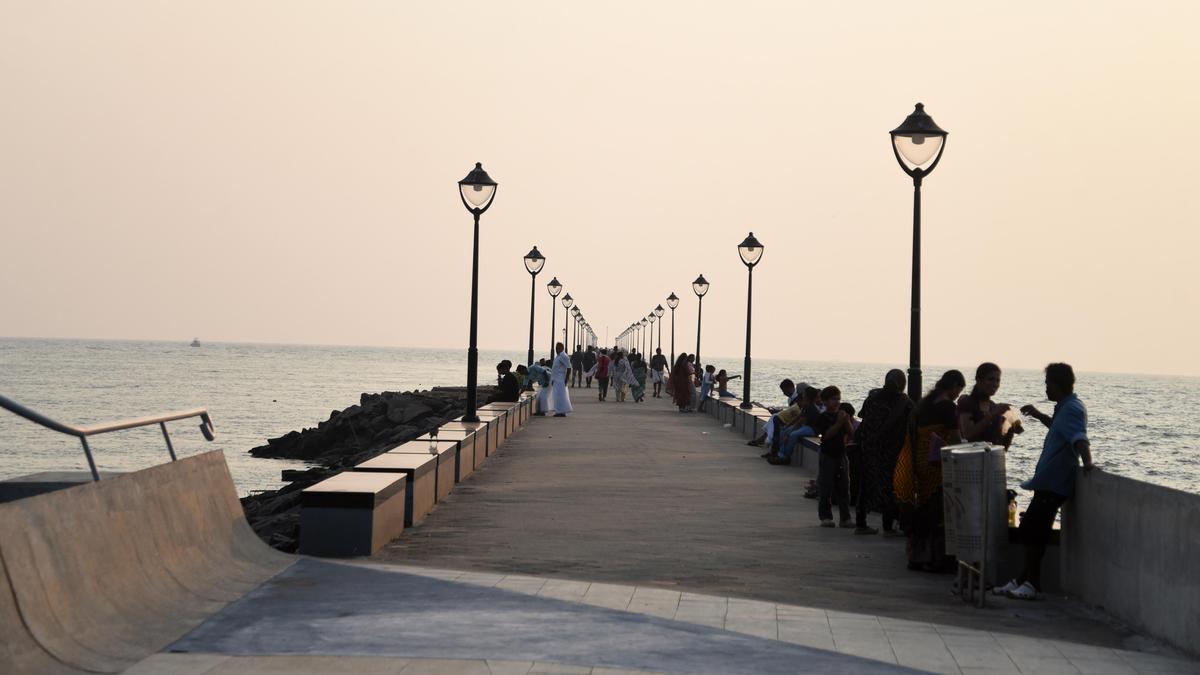
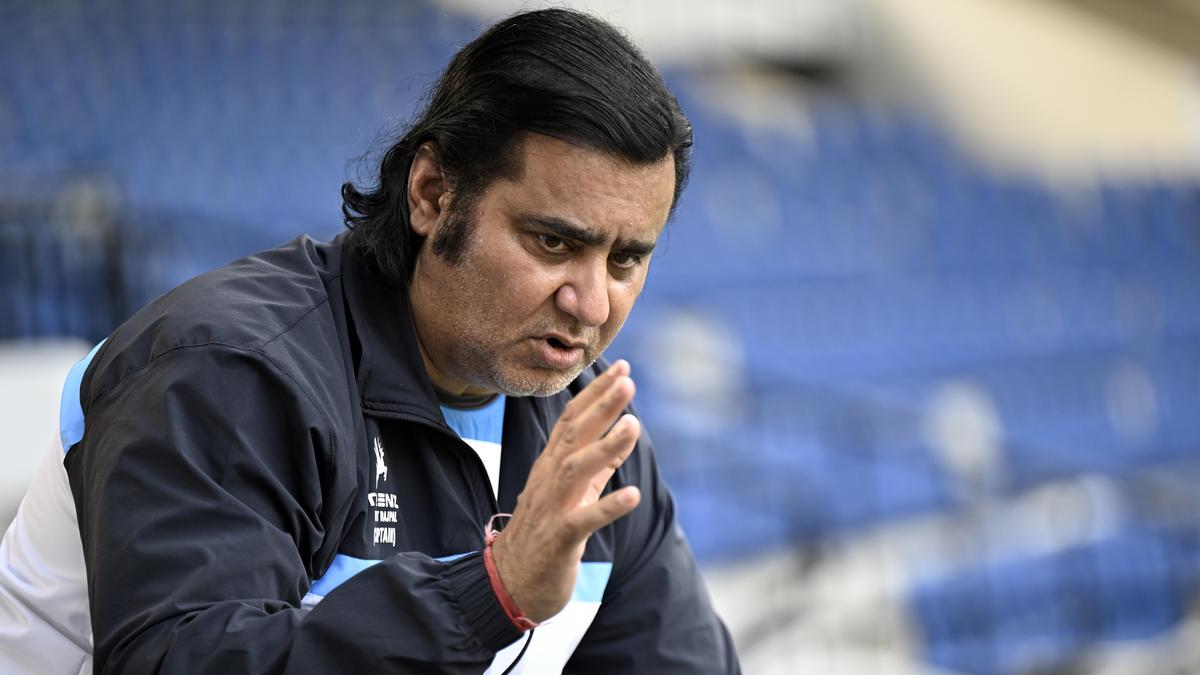
The 'Kerala for All' conclave has emerged as a pivotal forum addressing critical urban design challenges, with prominent voices advocating for a paradigm shift in public space architecture. Manoj Kumar Kini emphasized the imperative to design public spaces ensuring access for all, highlighting inclusivity as a cornerstone of sustainable urban development. This directive aligns with growing global recognition of accessible infrastructure as fundamental to equitable societies. Concurrently, architect Biju Kuriakose, co-founder of architectureRED, presented a compelling critique against indiscriminate adoption of Western urban models, arguing that such approaches often neglect local socio-cultural and environmental contexts. Kuriakose's analysis underscores the necessity for India to develop indigenous design frameworks that integrate traditional wisdom with contemporary needs, rather than replicating foreign templates. This dual focus—on universal accessibility and context-sensitive design—represents a sophisticated approach to urban planning that could serve as a model for emerging economies. The conclave's deliberations signal a maturation in India's urban discourse, moving beyond infrastructure expansion toward more nuanced, human-centric development strategies. These insights are particularly relevant as Indian cities grapple with rapid urbanization and the imperative to build resilient, inclusive communities.